
What Is The Best Decking Material 2026?
Choosing the best decking material 2026 depends on your climate, budget and maintenance expectations. Among different outdoor decking solutions, WPC composite decking has become one of the most popular choices because it combines the natural appearance of wood with better durability and lower maintenance.
This best decking material comparison 2026 guide compares composite decking, traditional wood, PVC and aluminum decking to help homeowners, contractors and architects choose the right decking material.
Best Decking Material 2026 Comparison: WPC, Wood, PVC and Aluminum
Different decking materials age differently when exposed to sunlight, moisture, temperature changes, and everyday outdoor use. In particular, first-generation WPC decking and modern capped composite decking should not be treated as having the same long-term weathering performance.
| Decking Material | Weather Resistance | Maintenance | Long-Term Performance |
|---|---|---|---|
| First-Generation WPC Decking | Moderate | Low to Moderate | May show fading, surface weathering, chalking, or gradual deterioration after several years of outdoor exposure. |
| Capped Composite Decking | Very Good | Low | Protective capping improves resistance to UV, moisture, stains, and surface weathering. Performance depends on product quality and exposure. |
| Natural Wood Decking | Varies by Species | High | Requires regular sealing, staining, or refinishing to reduce fading, cracking, moisture damage, and decay. |
| PVC Decking | Very Good | Low | Highly resistant to moisture and rot, while long-term appearance depends on formulation and UV exposure. |
| Aluminum Decking | Excellent | Very Low | Highly resistant to moisture, rot, and insects, although coatings and surface finishes may weather over time. |
Note: Decking lifespan should not be judged by material type alone. Product formulation, UV exposure, climate, installation quality, ventilation, maintenance, and usage conditions can all affect long-term performance. Warranty length should also not be interpreted as a guarantee that a decking surface will remain unchanged for the entire warranty period.
1. WPC Composite Decking: Best All-Round Choice for Low Maintenance
WPC decking (wood-plastic composite decking) combines wood-based fibers with polymer materials to create deck boards designed for outdoor use. Modern WPC products can offer a convincing timber appearance while reducing the sanding, staining and oiling commonly associated with natural wood.
This balance is why composite decking is widely considered when homeowners, contractors, distributors and landscape designers compare the best decking material 2026 for outdoor projects.
Advantages
- Low routine maintenance compared with traditional timber
- Good resistance to moisture and everyday outdoor exposure
- Available in wood-grain, brushed and embossed finishes
- Hidden-fastener systems can create a clean deck surface
- Consistent board dimensions simplify project planning
Considerations
- Initial material cost can be higher than entry-level timber
- Thermal expansion must be allowed for during installation
- Darker colors can feel hotter in strong direct sunlight
- Performance differs between capped, uncapped, hollow and solid profiles
The new technologies are making composites more attractive and sustainable, Bongywood has developed a variation collection of composite decking which offers the aesthetic of natural timber and the benefits of long-lasting beauty with minimal maintenance, you will have many colors and grain patterns to choose from that you are sure to be happy with your choice.
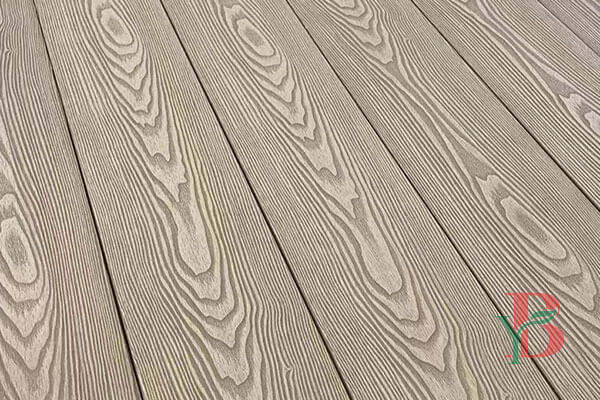
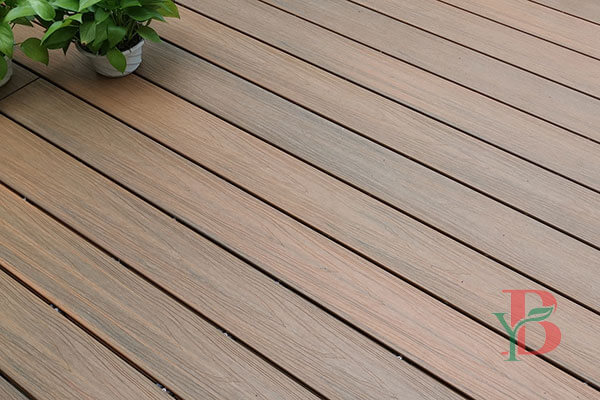
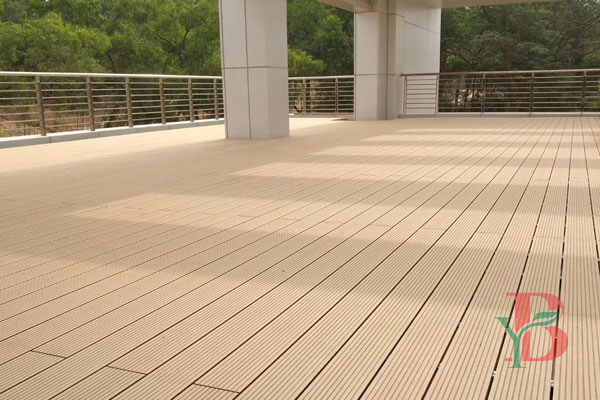
Buyers deciding between traditional and capped boards should consider not only the purchase price but also the expected maintenance level, appearance requirements and the environment where the deck will be installed.
For a deeper technical comparison, read capped vs. uncapped composite decking.
2. Wood Decking: Traditional But High Maintenance
Natural wood decking remains popular for its authentic appearance and natural grain. However, compared with modern composite decking materials, wood generally requires more regular maintenance to prevent fading, cracking, warping, and rot.
- Pressure-Treated Wood: One of the most affordable decking options. It is easy to install and resistant to rot and insects, but usually requires regular staining or sealing.
- Cedar and Redwood: Naturally resistant to decay and insects, with an attractive premium appearance. Periodic sealing helps reduce fading and weathering.
- Tropical Hardwoods: Woods such as Ipe and teak are dense, durable, and can last 25+ years, but they are more expensive and harder to install.
Overall, wood decking maintenance is higher than composite decking. Homeowners should consider both the initial price and long-term maintenance cost when choosing the best decking material for an outdoor space.
For buyers who want a premium wood look without the same refinishing routine, modern 3D embossed WPC decking is worth comparing with natural timber.
3. PVC Decking: Lightweight and Water-Resistant
PVC decking is made entirely from polyvinyl chloride and offers excellent resistance to moisture, mold, rot, and insects. It is lightweight, low maintenance, and does not require regular staining or sealing, making it suitable for pool decks, docks, coastal areas, and humid climates.
Compared with WPC composite decking, PVC decking generally provides stronger moisture resistance but may have a more synthetic appearance and can expand or contract with temperature changes.
- Best For: Pool decks, docks, coastal areas, and humid climates.
- Pros: Water-resistant, lightweight, low maintenance, and resistant to rot and insects.
- Cons: More synthetic appearance and greater thermal expansion than WPC decking.
4. ASA Decking: The Premium UV Shield
ASA (Acrylonitrile Styrene Acrylate) decking is one of the newest innovations in the outdoor decking market. Made with a high-performance engineering plastic known for exceptional weatherability, ASA decking offers outstanding color retention, UV resistance, scratch resistance, and long-term durability. It combines the natural look of wood with the low-maintenance advantages of advanced synthetic decking materials, making it particularly suitable for demanding outdoor environments.
- Best For: Luxury residential and commercial projects, especially decks exposed to intense sunlight and harsh outdoor weather.
- Pros: Exceptional UV resistance, excellent color stability, superior scratch resistance, strong weather resistance, and better heat performance for long-term outdoor use.
- Cons: ASA decking is generally more expensive than traditional composite decking and currently offers a more limited range of colors and product options.
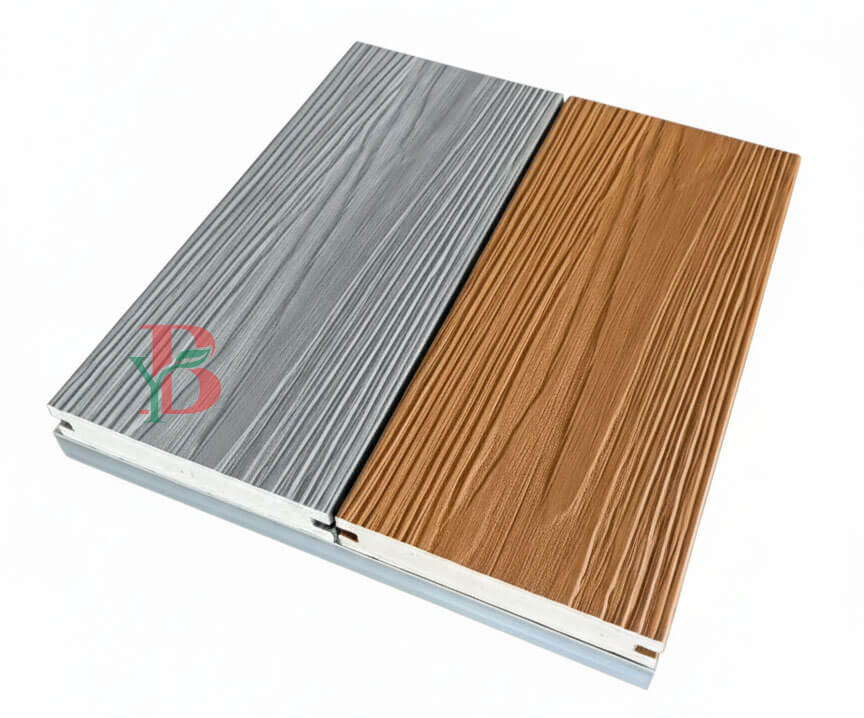
Name:ASA Decking(Solid)
Model:BY-AQX140S25
Dimensions:140*25mm
Texture:Wood Grain
Features:High weather resistance, large span capability, anti-deformation, low expansion and contraction rates.
5. Aluminum Decking: The Ultimate in Safety and Longevity
Aluminum is a premium “lifetime” material that excels in safety and structural integrity.
- Pros: Non-combustible (fireproof), making it ideal for high-rise balconies; watertight interlocking designs; will never rust, rot, or crack; stays cooler than most materials due to high heat dissipation.
- Cons: Highest initial cost among all decking materials; lacks the organic “warmth” and texture of real wood; limited color and style options compared to WPC.
How To Choose The Best Decking Material 2026?
Choosing the Best Decking Material 2026 requires more than comparing purchase prices. Climate, maintenance, installation requirements, surface temperature, and long-term use should all be considered. Use the table below to compare traditional wood, composites, and high-performance materials like ASA and Aluminum.
| Decking Material | Advantages | Disadvantages | Best For |
|---|---|---|---|
|
Pressure-Treated Wood
|
|
|
Budget-conscious projects and DIY outdoor decks. |
|
Cedar & Redwood
|
|
|
Homeowners who prefer natural wood aesthetics and moderate durability. |
|
Tropical Hardwoods
(Ipe / Teak) |
|
|
Luxury homes and premium outdoor living spaces where natural wood is preferred. |
|
First-Generation
WPC Decking |
|
|
Cost-conscious residential decks and outdoor projects in moderate climates. |
|
Capped Composite Decking
Balanced Choice
|
|
|
Residential decks, commercial outdoor spaces, pool areas and projects requiring a balance of durability, appearance and low maintenance. |
|
PVC Decking
|
|
|
Pool surrounds, docks and other moisture-prone outdoor environments. |
|
ASA Decking
|
|
|
Premium outdoor projects in hot, sunny climates with strong UV exposure. |
|
Aluminum Decking
|
|
|
High-rise balconies, rooftops, commercial projects and fire-conscious applications. |
Which Decking Material Is The Best Choice?
When compaing the strong Best Decking Material 2026 options, WPC composite decking offers the best balance between natural appearance, durability and low maintenance.
However, the ideal decking material depends on your project requirements. Consider climate, budget, expected lifespan and maintenance preferences before making the final decision.
Maintenance: What Happens After Installation?
Maintenance is one of the main differences between decking materials. Natural timber may need periodic refinishing, while WPC, capped composite and PVC usually focus more on routine cleaning. Leaves, dirt, food residue and standing water should still be removed promptly so the deck surface and drainage system stay in good condition.
For WPC decking installation guide, review our composite decking installation guide and WPC decking installation best practices.
For practical cleaning advice, read our composite decking maintenance guide.
Frequently Asked Questions About Best Decking Material 2026
What is the best decking material in 2026?
For many residential and commercial outdoor projects, WPC composite decking offers one of the strongest overall balances of low maintenance, moisture resistance, wood-like appearance and predictable long-term care. The best choice still depends on climate, budget, design requirements and installation conditions.
Is composite decking better than wood?
Composite decking is often better for buyers who prioritize lower maintenance and resistance to moisture, insects and routine weather exposure. Natural wood may be preferable when authentic timber appearance, refinishing flexibility or a lower initial material cost is the main priority.
Is PVC decking or WPC decking better?
PVC is valued for very low water absorption and low maintenance. WPC is often preferred when buyers want a more timber-like feel and a balanced cost-to-performance profile. Compare climate, heat exposure, aesthetics, installation requirements and budget before choosing.
What is the longest lasting decking material?
Aluminum, ASA decking and high-quality composite decking generally provide some of the longest service lives among outdoor decking materials.
Which decking material needs the least maintenance?
ASA and capped composite decking generally require less routine maintenance than natural wood because they do not need regular sanding, staining or oiling. They still require periodic cleaning and correct drainage.
Is WPC decking environmentally friendly?
WPC decking can contain recycled materials and reduces the need for traditional timber resources.
What should I check before buying composite decking?
Check the board profile, surface treatment, capped or uncapped construction, slip resistance, joist and fastener requirements, expansion-gap guidance, warranty terms, color expectations and the manufacturer’s installation instructions.
Related WPC Decking Guides
Looking for Durable Composite Decking?
Bongywood WPC provides durable composite decking solutions for residential, commercial, and landscaping projects. Tell us your project requirements and our team will help you find the right decking solution.