Quick Comparison: Composite Decking vs Wood Decking
Related Products
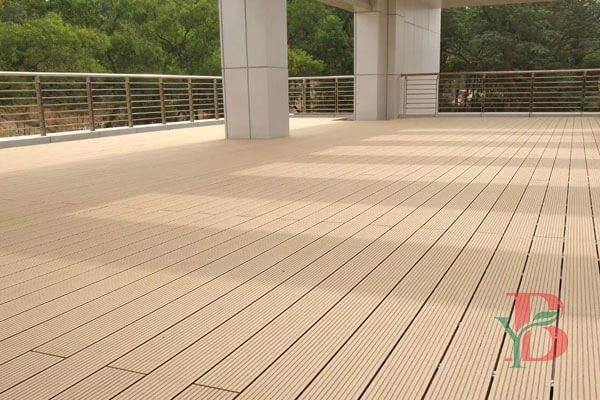
Durable and cost-effective solution.
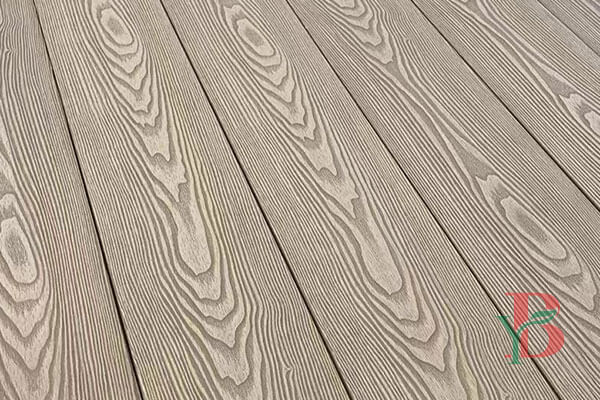
Realistic wood grain texture.
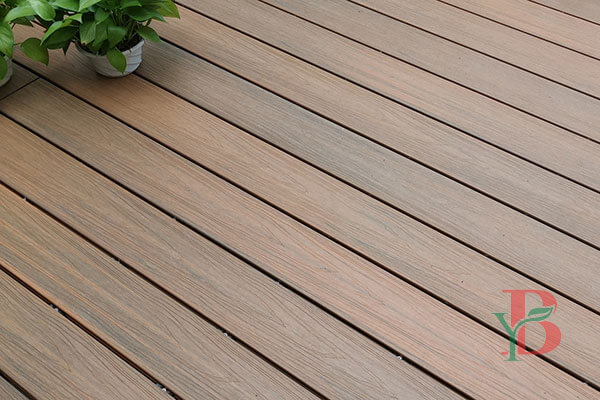
Enhanced stain and UV resistance.
| Feature | Composite Decking (WPC) | Wood Decking |
|---|---|---|
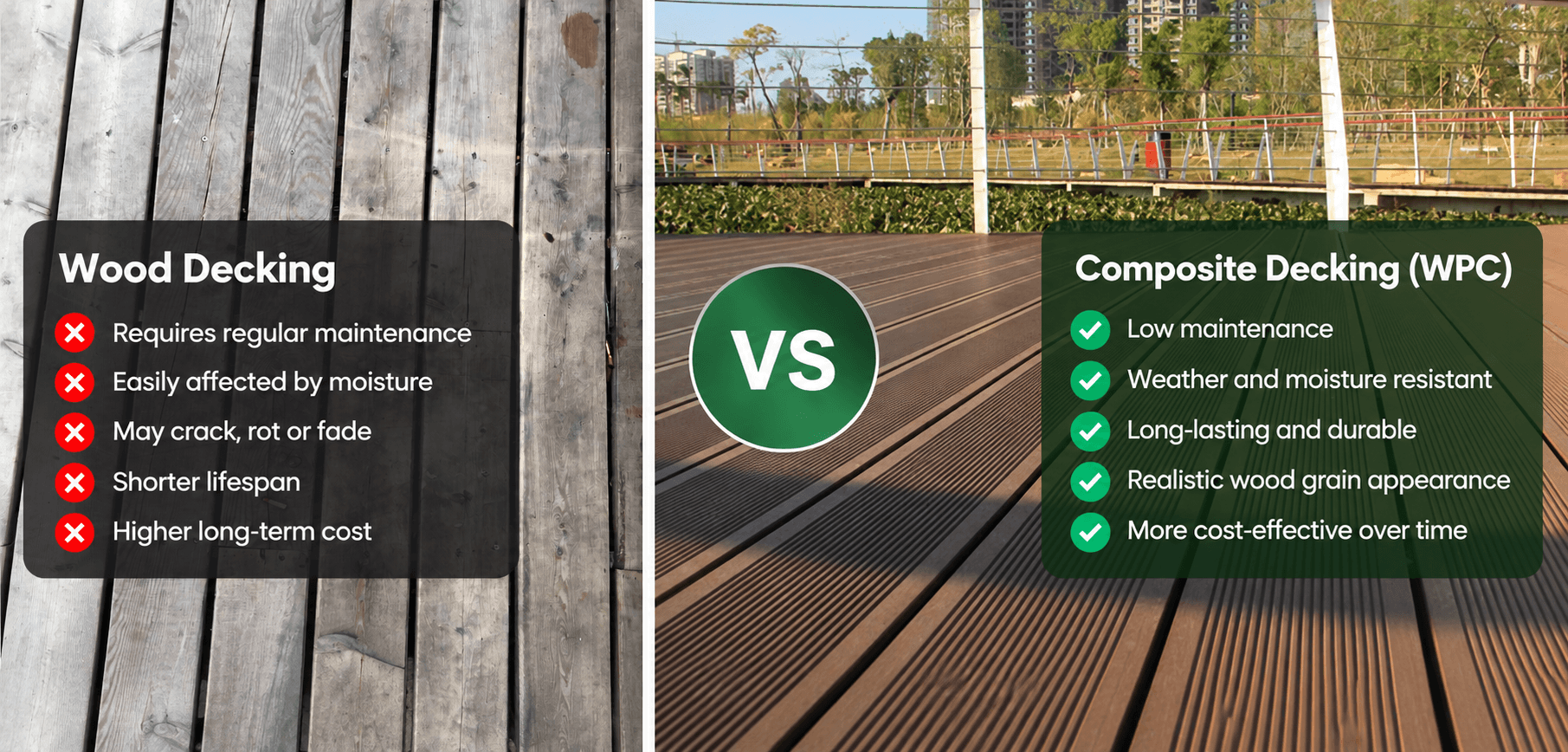
| ✕ Maintenance | Low maintenance. No regular painting or staining. | Requires sealing, staining and regular maintenance. |
| 💧 Moisture Resistance | High resistance to moisture and humidity. | May absorb water and cause swelling or decay. |
| 🛡 Durability | Designed for long-term outdoor use. | Performance depends on wood species. |
| ● Appearance | Realistic wood grain finishes. | Natural wood appearance. |
| ▣ Long-Term Cost | Lower maintenance cost over time. | Higher ongoing maintenance expenses. |
| 🌿 Environmental Impact | Uses recycled materials and is eco-friendly. | Natural wood may contribute to deforestation. |
Get Free WPC Decking Samples
Contact us for product catalog, samples and OEM solutions.
Request a Quote →
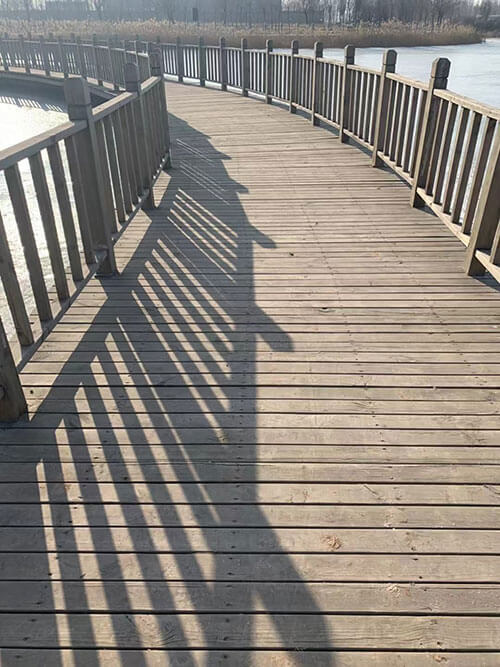
What Is Wood Decking?
Wood decking is a traditional outdoor flooring material made from natural timber. Although wood decking provides a natural appearance, it usually requires more maintenance to protect against moisture, weathering and surface damage.
Key Differences between Composite Decking vs Wood Decking
1. Durability
Composite decking offers better resistance to moisture, cracking and daily outdoor exposure.
2. Maintenance
WPC decking requires minimal maintenance, while wood needs regular sealing and staining.
3. Appearance
Modern WPC decking provides realistic wood grain finishes, including 3D embossed options.
4. Cost
WPC has higher initial cost but lower long-term cost due to reduced maintenance.
5. Environmental Impact
WPC uses recycled materials and is a more sustainable outdoor decking option.
Composite Decking vs Wood Decking: Cost Comparison
Although composite decking usually has a higher initial cost than traditional wood decking, it can provide better long-term value because it requires less maintenance, painting and replacement. For commercial projects, lower maintenance costs can significantly reduce lifetime expenses.
Composite Decking vs Wood Decking: Lifespan Comparison
Composite decking can provide a long service life with proper installation and cleaning. Its resistance to moisture, rot and insects makes it reliable for outdoor applications. Wood decking may have a shorter lifespan due to weathering, cracking and decay, especially in areas with high humidity or frequent rainfall.
Common Problems With Wood Decking
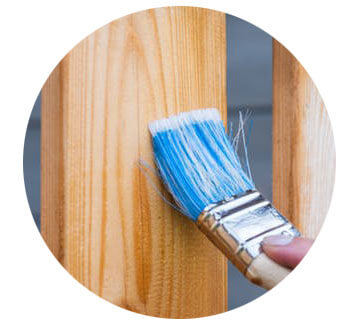
Regular Maintenance
Requires frequent staining and sealing
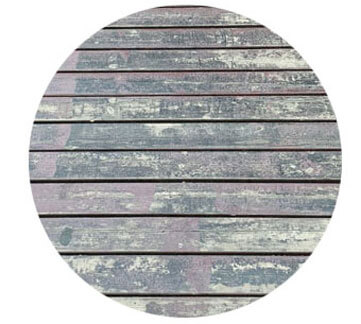
Fades and Cracks
Affected by sun exposure and weathering.

Insect Damage
Vulnerable to insects and structural damage.

Moisture Issues
May absorb water, leading to swelling and decay.
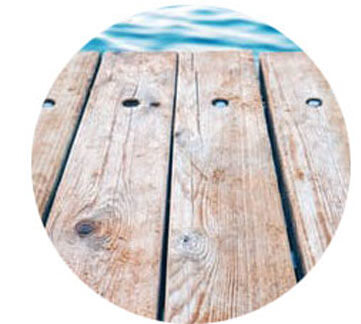
Shorter Lifespan
Needs more maintenance to extend lifespan.
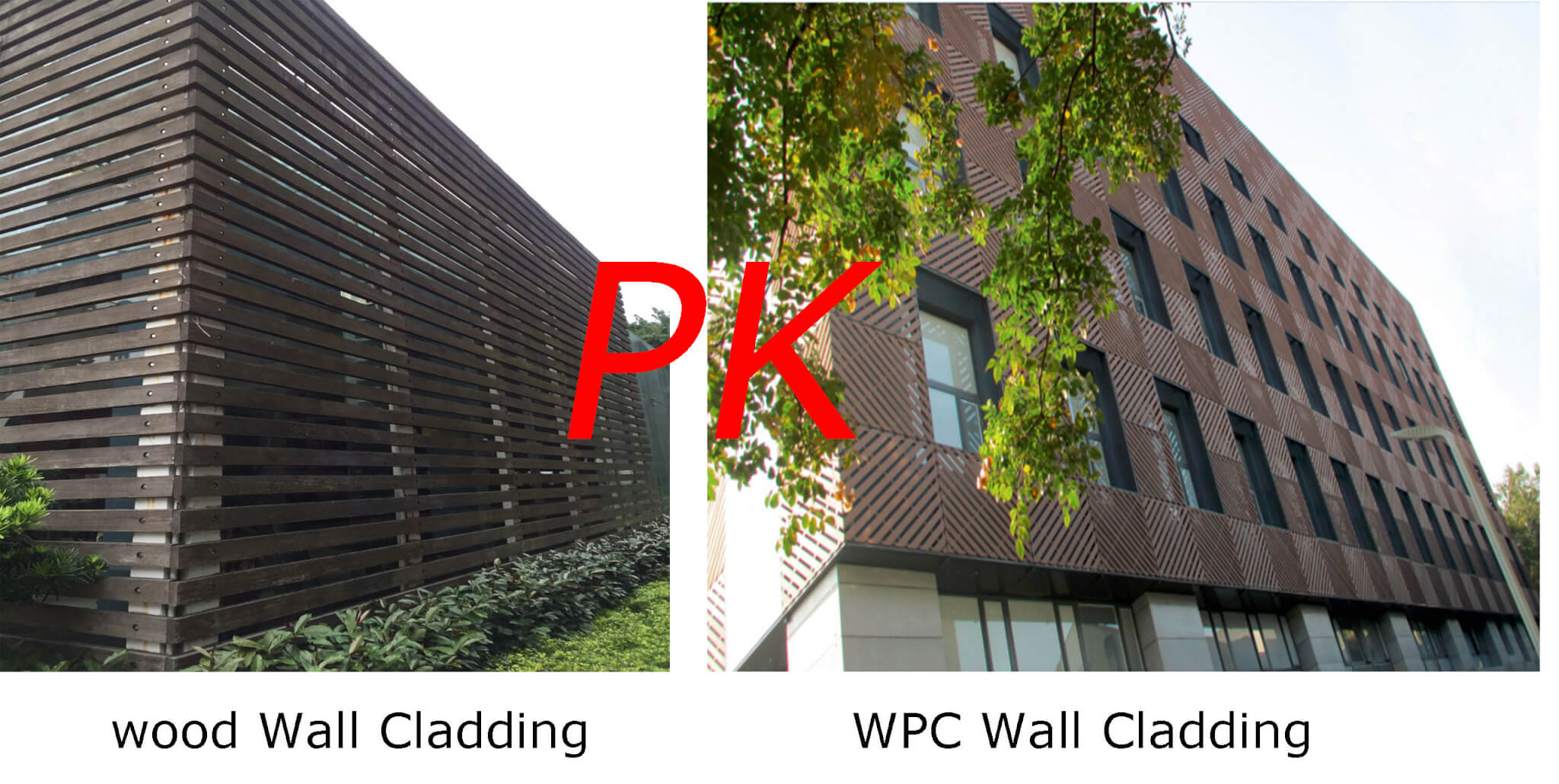
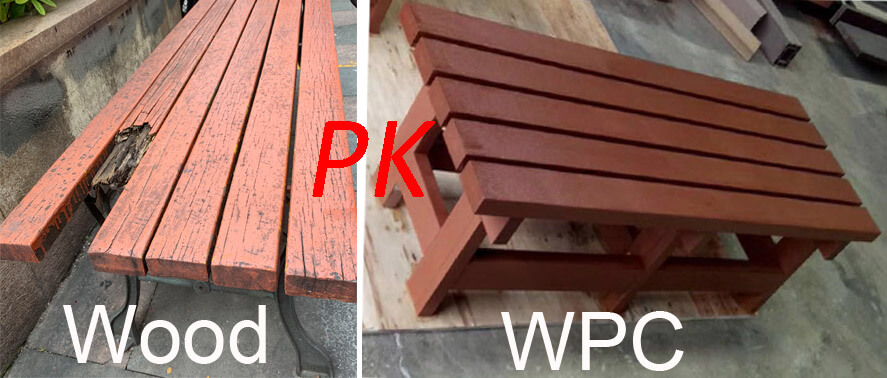
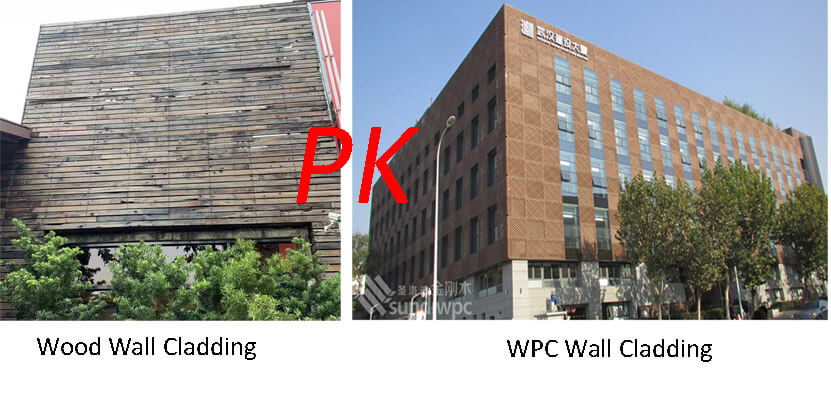
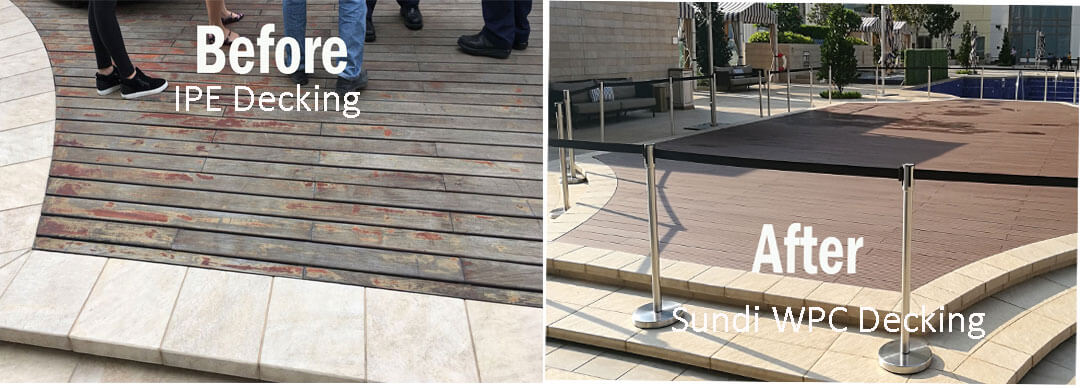
Composite Decking PK Wood Decking:
Why Choose Bongywood WPC Composite Decking?
Bongywood WPC is a professional WPC decking manufacturer supplying composite decking solutions for distributors, contractors and project buyers worldwide.
Wide Range of Profiles
Hollow and solid boards
3D Embossed Surface
Realistic wood grain texture
Capped Decking Options
Enhanced outdoor performance
OEM & Export Support
For distributors and contractors
Frequently Asked Questions
Is composite decking better than wood decking?
Composite decking is often a better choice for outdoor projects that require low maintenance, moisture resistance and long-term durability. Unlike natural wood, composite decking does not require regular painting, staining or sealing. However, natural wood offers an authentic appearance and can be more affordable initially. The best choice depends on your project budget, climate conditions, maintenance expectations and design preferences.
Does composite decking look like real wood?
Yes. Modern composite decking is designed to replicate the natural appearance of wood. Advanced manufacturing technologies, such as 3D embossing and co-extrusion, create realistic wood grain textures and various color options. Although composite decking may not perfectly reproduce the unique grain patterns of natural timber, high-quality WPC decking offers an attractive wood-like finish with significantly lower maintenance requirements.
Is composite decking suitable for commercial projects?
Yes. Composite decking is widely used in commercial applications such as hotels, resorts, restaurants, public walkways and outdoor recreational areas. Its moisture resistance and low maintenance requirements make it suitable for many outdoor environments. For commercial projects with heavy pedestrian traffic, solid WPC decking is generally recommended because it offers higher structural strength and load-bearing capability than hollow profiles. Proper substructure design and installation are also essential.
What is the lifespan of composite decking?
High-quality composite decking can provide a service life of approximately 10–20 years or longer, depending on material composition, manufacturing quality, environmental exposure and installation conditions. Capped composite decking offers additional surface protection against moisture, staining and fading. Regular cleaning, proper drainage and correct installation can help extend its service life. Actual performance varies by product, so buyers should review manufacturer specifications and warranty conditions.
Does composite decking require maintenance?
Composite decking requires relatively little maintenance compared with traditional wood decking. It generally does not need regular painting, staining or sealing. Routine cleaning with water, mild soap and a soft brush is usually sufficient to remove dirt and debris. However, composite decking is not completely maintenance-free. Keeping the surface clean, ensuring proper drainage and removing accumulated leaves can help maintain its appearance and long-term performance.
Which is more cost-effective in the long run?
Composite decking often provides better long-term value because it requires less maintenance, repainting and surface treatment than traditional wood decking. Although the initial purchase price of WPC decking may be higher than some natural wood options, reduced maintenance expenses can help offset the upfront investment. For commercial projects, hotels and public outdoor spaces, lower ongoing maintenance requirements may result in meaningful savings over the decking’s service life.