The 3D embossed WPC decking vs wood decision has become increasingly important for homeowners, contractors and commercial buyers. Traditional timber has shaped outdoor decks for generations, yet buyers now expect the warm appearance of wood without constant sanding, staining, sealing or replacing weather-damaged boards. Deep embossing gives wood-plastic composite decking a more tactile and natural-looking grain, while the composite structure addresses several maintenance concerns associated with exposed timber.
What Is 3D Embossed WPC Decking?
3D embossed WPC decking is wood-plastic composite decking with advanced surface embossing technology. Unlike flat composite surfaces, 3D embossing creats deeper grain patterns that improve both visual depth and tactile feeling.
How Does 3D Embossing Technology Work?
The board is manufactured from a wood-plastic composite compound and formed into hollow or solid profiles. Heated embossing rollers create the surface texture before the boards are cooled, cut and finished. The result is a consistent decking material designed to combine a more authentic timber appearance while maintaining the advantages of WPC materials.
3D Embossing WPC Decking vs Traditonal Woodgrain Composite Decking
Realistic wood grain, slip-resistant surface, water resistance, and low maintenance.
Before comparing 3D embossed WPC decking vs wood, buyers may also need to choose between two composite surface technologies. Both products use a wood-plastic composite base, but the surface texture, production process and visual depth are different. 3D embossed WPC decking uses deeper surface patterns to achieve improved realism and a more natural touch.

For the 3D Embossed Woodgrain WPC Decking, the realistic pattern is embossed directly into the material during the extrusion process.
- Realistic wood-like texture and appearance
- Enhanced slip resistance
- Long-lasting finish that won't fade
- Created during extrusion process
For the Traditional Woodgrain WPC decking, the surface woodgrain is simply printed on the decking after the production process of surface sanding.
- Surface woodgrain printed after production
- Artificial woodgrain finish
- Finish may fade over time
- Less realistic texture
Why Choose 3D Embossed WPC Decking?
Realistic Wood Grain Composite Decking
3D embossing technology creates realistic wood grain composite decking with a deeper, more natural surface texture than ordinary printed patterns.
Deep Wood Grain Texture
Deep wood grain texture for composite decking gives the board stronger visual depth and makes the 3D embossed surface look closer to natural timber.
Anti-Slip Texture Composite Decking
The textured surface helps create anti-slip texture composite decking, suitable for pool surrounds, patios, balconies, walkways and garden paths.
Better Outdoor Appearance
3D embossing technology in WPC decking helps outdoor decking boards look more premium, especially for villas, resorts, hotels and commercial terrace projects.
Low Maintenance Surface
WPC decking does not require regular painting, staining or sealing like traditional timber. The 3D embossed surface keeps a natural wood-like look with easier maintenance.
More Design Options
3D embossed composite decking can be produced with different colors, grain patterns, hollow profiles and solid profiles for residential and commercial outdoor projects.
3D Embossed WPC Decking vs Wood: A Side-by-Side Comparison
The central 3D embossed WPC decking vs wood question is not whether one material is universally superior. It is which material better matches the project’s design priorities, climate exposure, maintenance plan and expected ownership period.
3D Embossed WPC Decking
A manufactured wood-plastic composite board with deep embossed grain, selected colors and lower routine refinishing requirements.
- Realistic, repeatable wood-look surface
- Normally does not require regular staining or sealing
- Resistant to common moisture, rot and termite problems
- No conventional timber splinters
- Requires correct joist spacing and expansion gaps
Traditional Wood Decking
Genuine timber with unique natural grain and strong refinishing flexibility, but with maintenance needs that vary by species, climate and treatment.
- Authentic natural grain and board variation
- May require staining, sealing, sanding or painting
- Can crack, splinter, warp or weather over time
- Performance depends strongly on species and treatment
- Can often be repaired or recolored using traditional methods
3D Embossed WPC Decking vs Wood: Apperance and Texture
In a 3D Embossed WPC decking vs traditional wood appearance comparison, the greatest strength of natural wood is authenticity. Grain variation, knots and color changes are inherent to the material. For premium hardwood projects, this individuality may be the main reason to choose timber.
The strength of 3D embossed WPC is controlled consistency. Deep embossing makes the surface feel less flat and repetitive than older composite boards, while manufactured colors help contractors maintain a coordinated appearance across large terraces, hotel decks, walkways and residential developments.
Maintenance, Durability and Long-Term Cost
Maintenance
WPC decking is low-maintenance, not maintenance-free. Leaves, dirt, food spills and standing water should still be removed, and gaps should remain clear.
Wood maintenance varies by species and exposure, but it may include periodic sanding, staining or sealing to manage weathering and surface deterioration.
Moisture, rot and insects
WPC is designed to reduce common moisture, rot and termite concerns. Correct drainage, ventilation, fasteners and expansion gaps are still essential.
Wood performance depends on species, preservative treatment, end-grain protection and ongoing maintenance. Poor detailing can shorten the service life of either material.
Lifetime cost
A fair 3D embossed WPC decking vs wood cost comparison includes installation, maintenance labor, treatments, repairs and the intended ownership period.
WPC may cost more initially than common softwood, while lower refinishing needs can improve long-term value.
Explore Bongywood 3D Embossed WPC Decking
Compare available grain patterns, colors, hollow and solid profiles for residential, commercial and distributor
projects. The Bongywood team can help select a suitable decking board based on application, climate and
installation requirements.
Common Applications of 3D Embossed WPC Decking
Buyers researching why choose WPC decking over wood often focus on outdoor spaces where realistic grain, practical cleaning and resistance to moisture exposure are important.
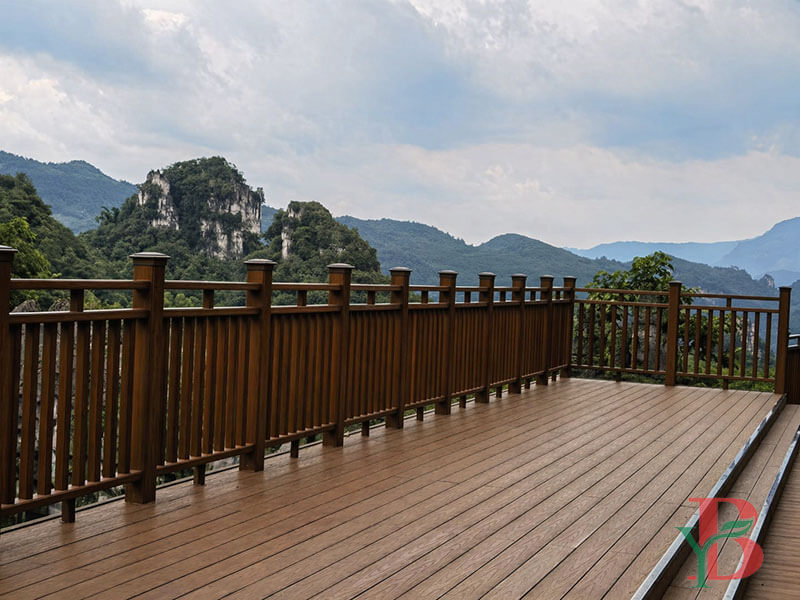
Terraces and Patios
A warm wood-look surface for residential outdoor living areas.
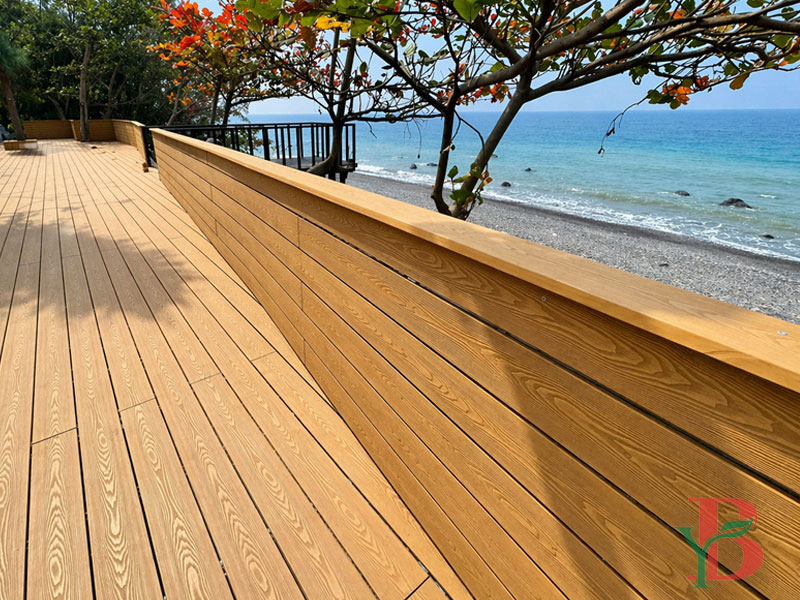
Pool Areas and Coastal Walkways
Textured boards for properly drained poolside projects, subject to slip testing.
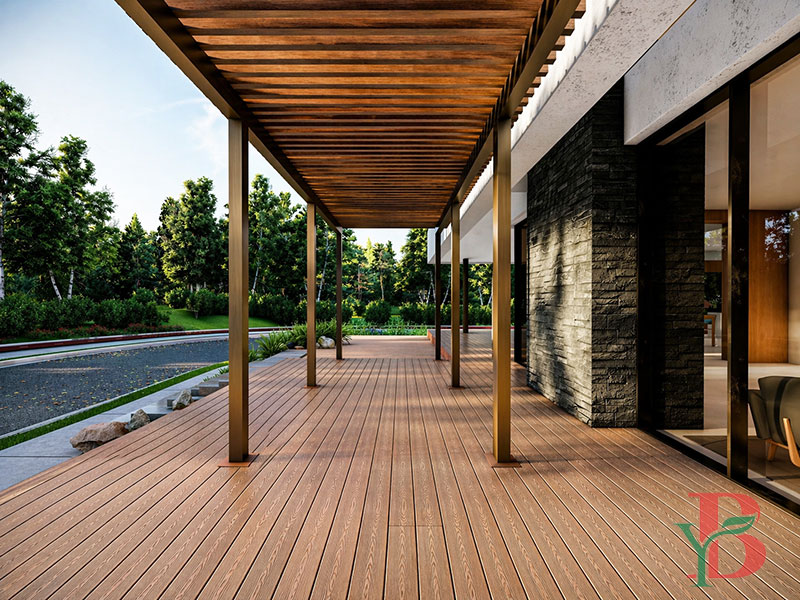
Hotels and Commercial Terraces
Consistent appearance for cafés, hotels, resorts and public seating areas.
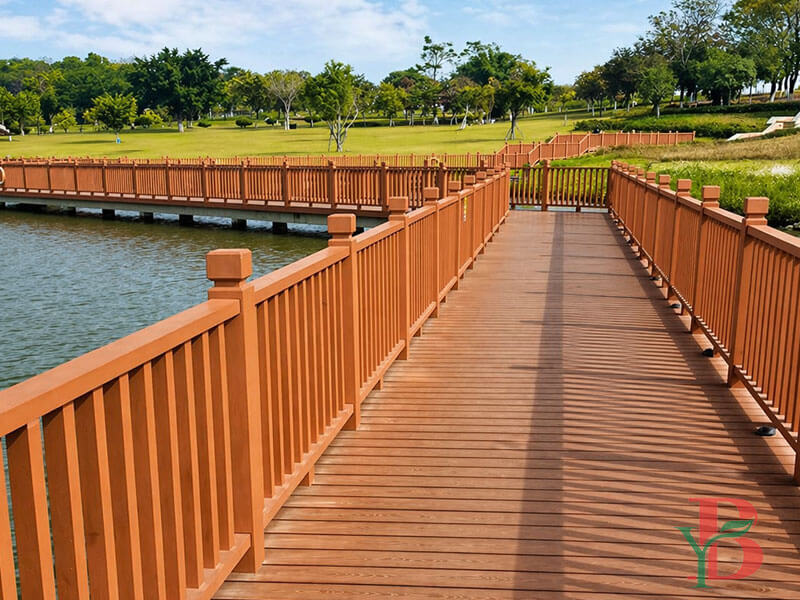
Boardwalks and Garden Paths
Solid profiles can be considered for scenic and higher-traffic walkways.
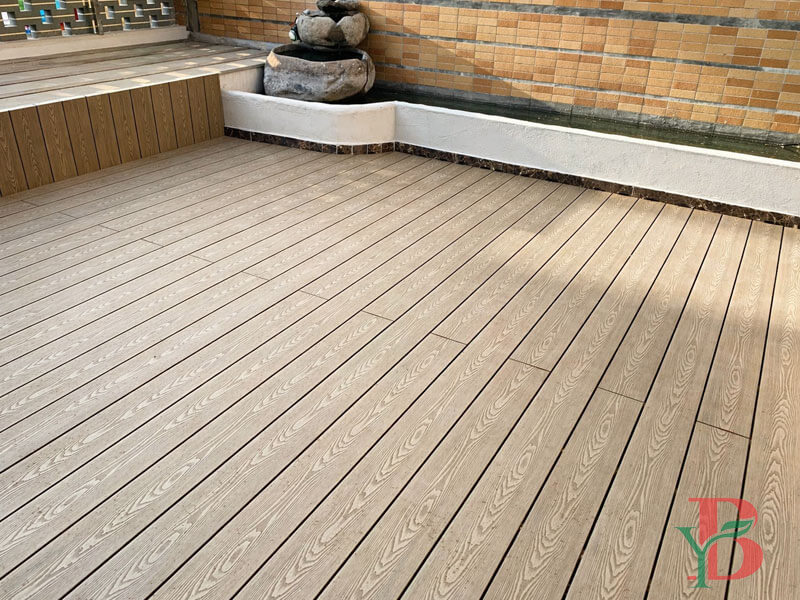
Balconies and Rooftops
A coordinated outdoor finish without routine staining or painting.
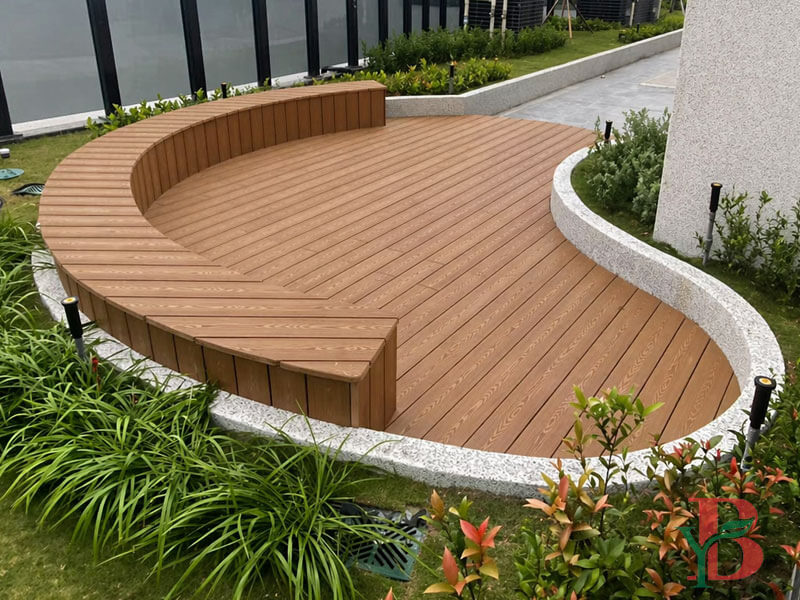
Custom Landscape Projects
Multiple profiles and colors support distinctive architectural layouts.
Read more about 3D embossed WPC decking applications: 3D Embossed Composite Decking Application Cases .
Bongywood 3D Embossed WPC Decking Profile Examples
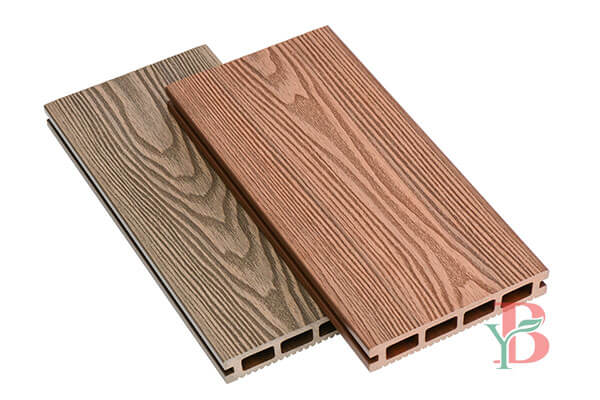
ZS140H25 Rich Oak
Profile: 140 × 25 mm, hollow or solid options
Surface: Rich Oak deep embossed grain
Best for: Patios, pathways, pool surrounds and boardwalks
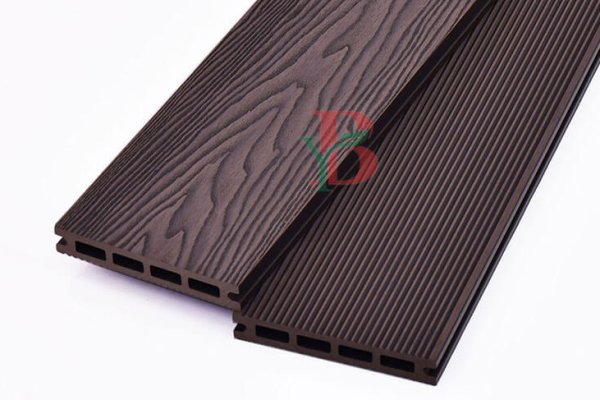
ZS150H23 Mountain Grain
Profile: 150 × 23 mm hollow profile
Surface: Mountain deep embossed grain
Best for: Residential terraces, gardens and pool areas
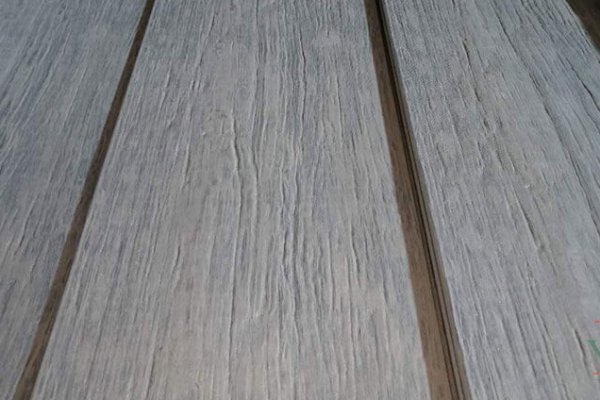
ZS140S24 / ZS200S25 Old Bark
Profile: 140 × 24 mm or 200 × 25 mm solid
Surface: Old Bark deep embossed grain
Best for: Residential and higher-traffic commercial projects
FAQs About 3D Embossed WPC Decking vs Wood
Is 3D embossed WPC decking better than wood?
It is often better for projects that prioritize low routine maintenance, moisture resistance and consistent appearance. Wood may be better when authentic natural variation, refinishing flexibility or a particular timber species is essential.
Does 3D embossed WPC look like real wood?
The deep texture creates a more convincing timber effect than a flat printed composite surface. It still remains a manufactured composite and does not reproduce every irregularity of natural wood.
Is WPC decking maintenance-free?
No. WPC still needs sweeping, occasional washing, spill removal and inspection of gaps and drainage. The advantage is that it normally does not need periodic sanding, staining or sealing.
Can 3D embossed WPC decking be used around a pool?
It can be considered for pool surrounds when the exact profile meets project slip requirements and the deck includes suitable drainage, ventilation and installation gaps.
Does WPC decking expand and contract?
Yes. Composite decking responds to temperature changes, so specified end gaps, side gaps and joist spacing must be followed for the selected board and local climate.
Is WPC decking more expensive than traditional wood?
WPC can cost more initially than common softwood. Lower recurring treatment and refinishing requirements may improve its total ownership cost over a longer service period.
Related decking guides
Compare samples before choosing your deck
Review grain depth, color, profile structure and project requirements with the Bongywood team. Sample and quotation support is available for residential, commercial and distributor projects.