Why Use Composite Decking Boards for Garden Paths?
Decking boards are a flexible material for outdoor walkway design. They can be installed as straight paths, curved routes, stepping-stone style sections, raised walkways or long promenade paths. When made from WPC or capped composite decking, the path combines the natural look of timber with better long-term outdoor performance.
Key Features & Benefits of Composite Decking for Pathways:
Durable for Outdoor Use
Composite decking boards are suitable for humid gardens, shaded areas, poolside routes and outdoor spaces exposed to changing weather.
Low Maintenance
A composite garden path does not require regular staining, sanding or sealing like traditional timber.
Comfortable Walking Surface
Wood-look decking creates a warmer and softer visual effect than concrete or stone.
Flexible Design Options
Different colors, textures, board widths and laying patterns can match modern, rustic, natural or commercial landscapes.
5 Decking Path Ideas for Outdoor Spaces
The following decking path ideas show how composite decking boards can be used in different outdoor environments, from small private gardens to resorts, parks and waterfront landscapes.
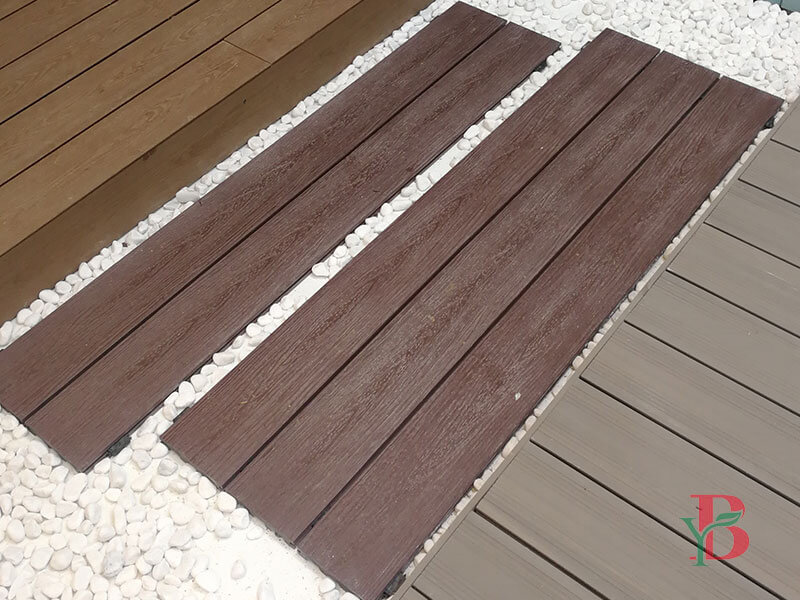
IDEA 1 Minimalist Stepping-Stone Decking Path
Use short sections of composite decking boards as stepping stones, with gravel, pebbles or grass between each section. This design works well for modern gardens, side yards and clean landscape layouts.
Best for: modern gardens, private backyards, side entrances.
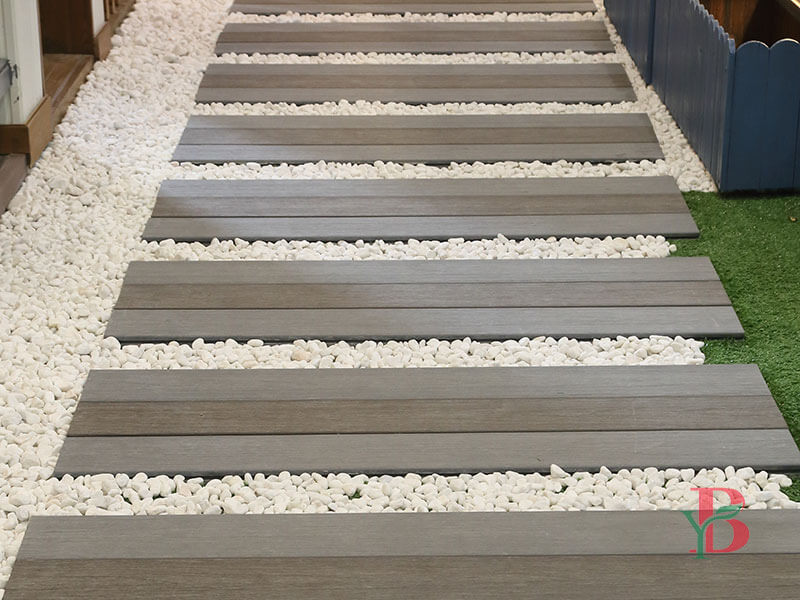
Related products: Capped Composite Decking, Wood Plastic Composite Deck, Garden Deck
IDEA 2 Curved Garden Bridge Path
A curved decking path or garden bridge can create a peaceful focal point in a landscape. Composite decking is suitable for bridges over ponds, koi gardens, water features and decorative outdoor routes.
Best for: ponds, Zen gardens, villa courtyards, landscape bridges.
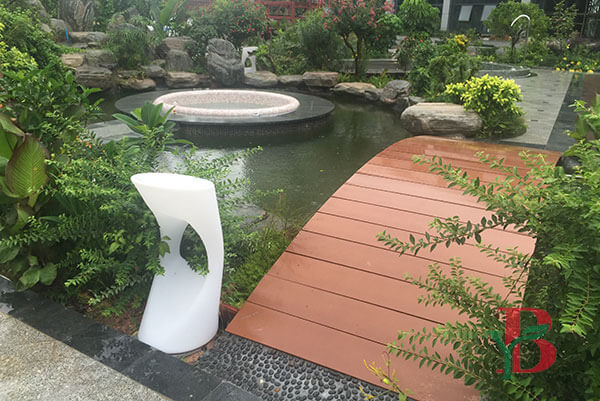
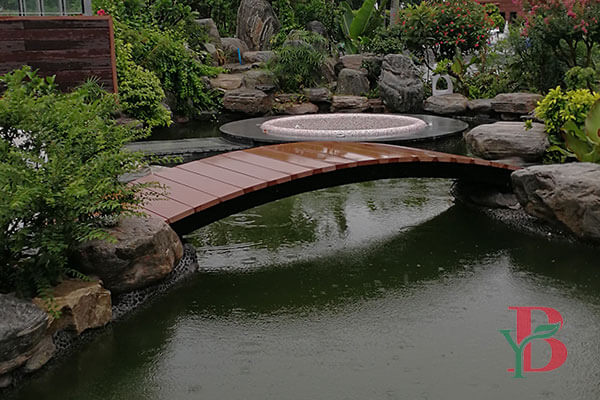
Related products: Composite Decking, Solid Composite Deck, Bridge Decking, Garden Decking
IDEA 3 Waterfront Composite Decking Walkway
For lakesides, pools and docks, a composite decking walkway provides a stable and attractive route near water. Choose capped or grooved boards for better moisture resistance and surface traction.
Best for: pools, docks, lakeside paths, resort landscapes.
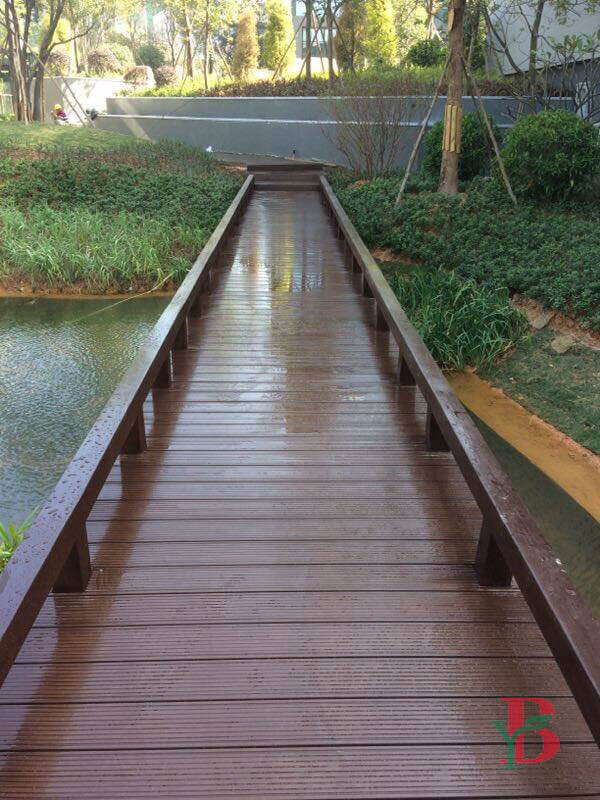
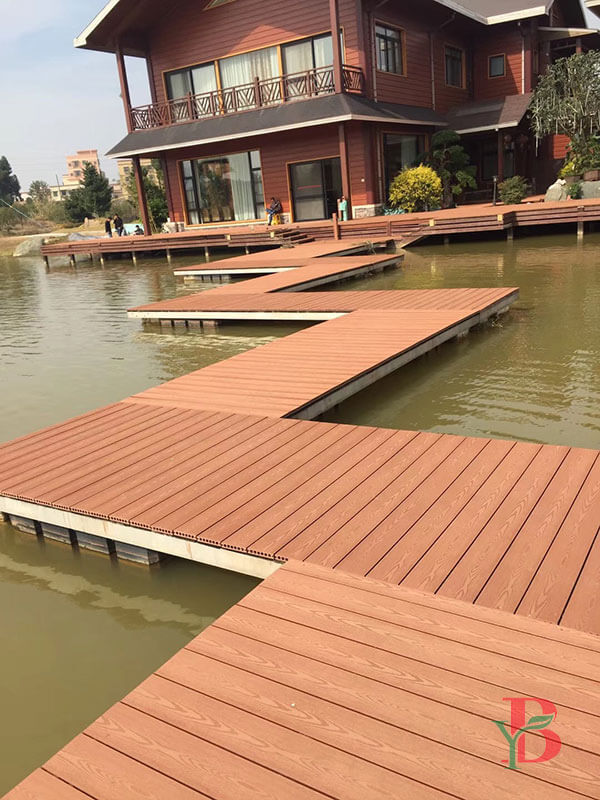
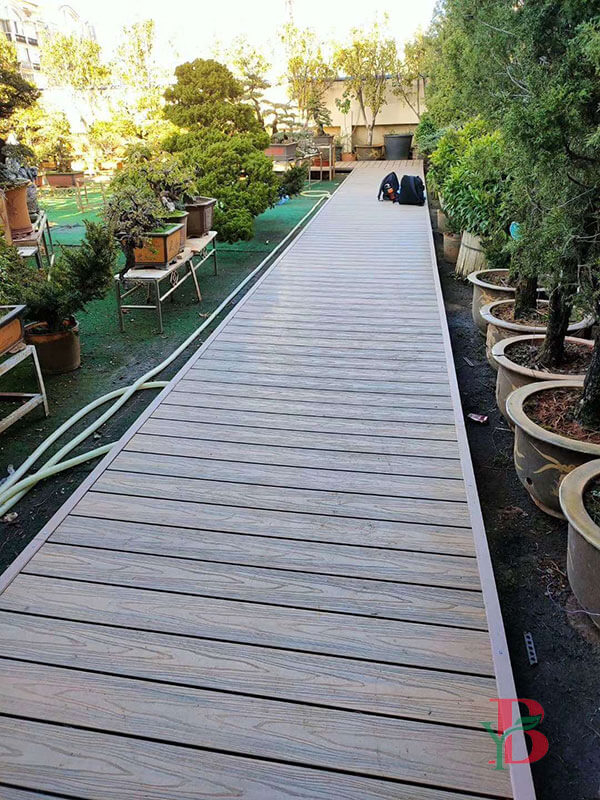
Related products: Composite Decking, 3D-Embossed Composite Decking
IDEA 4 Forest Boardwalk Path
A raised decking path can help create a stable walking surface across uneven, damp or sloped ground. It is a strong option for forest gardens, nature trails and outdoor leisure spaces.
Best for: forest paths, scenic trails, sloped landscapes.
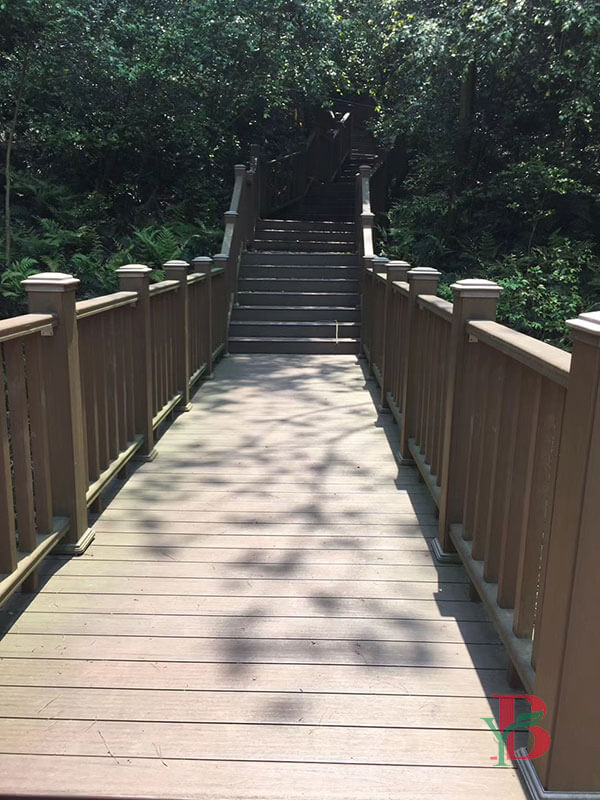
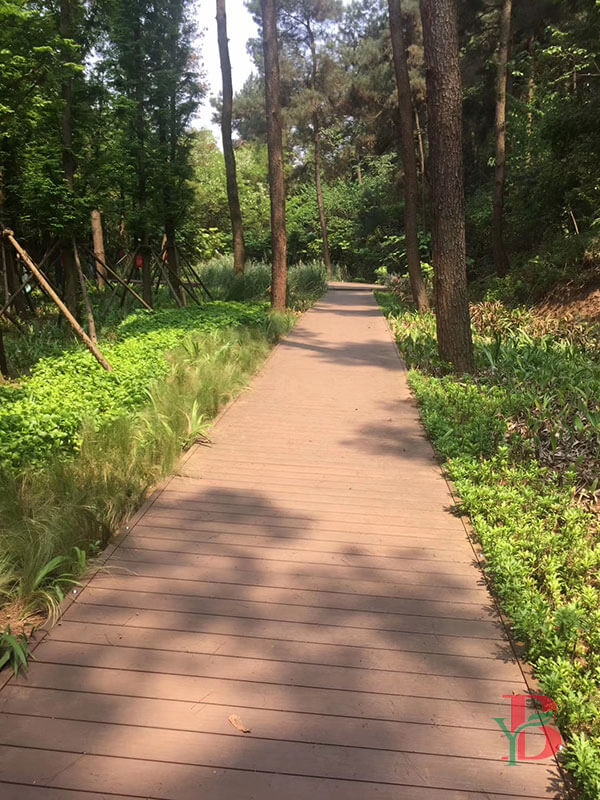
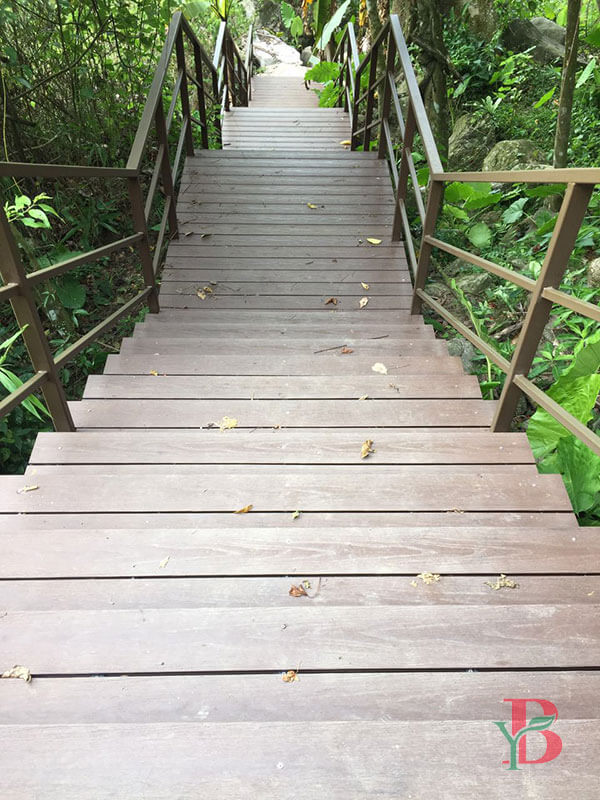
Related products: Hollow Composite Decking, Solid Composite Decking, Wood Plastic Composite Deck
IDEA 5 Long Promenade Path for Parks and Resorts
For public parks, resorts and commercial landscapes, long composite decking paths can guide visitors through outdoor spaces while creating a premium wood-look walking surface.
Best for: parks, resorts, hotels, public boardwalks.
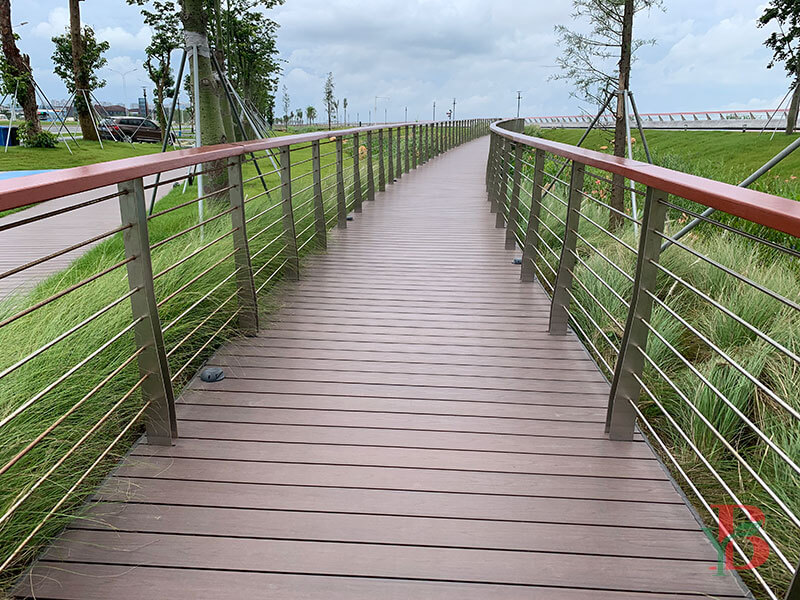
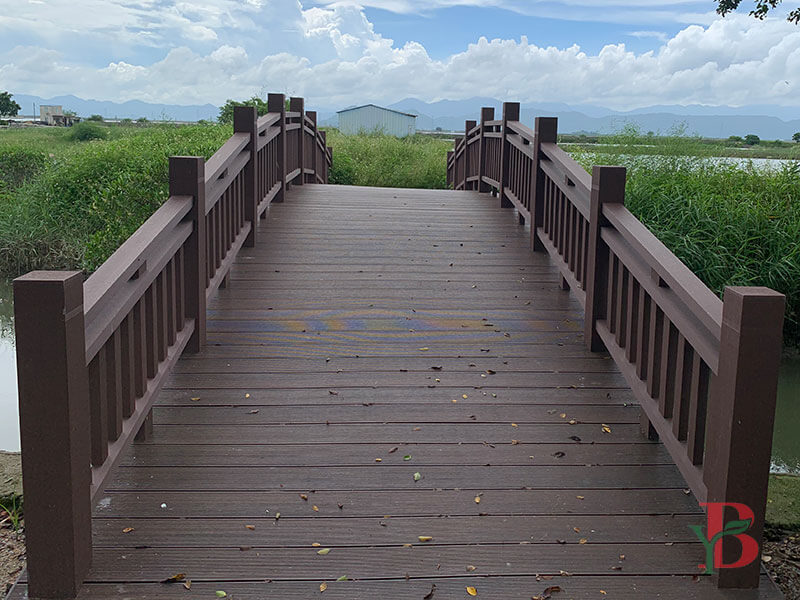
Related products: Co-extrusion Composite Decking, Capped Composite Decking, Wood Plastic Composite Railing
Best Composite Decking Boards for Garden Paths
The best board depends on where the path will be used. A decorative garden path may focus more on texture and color, while a commercial walkway needs stronger load-bearing performance and a durable surface. Transform your garden with a Bongywood composite decking pathway. Embrace versatility, durability, and low maintenance. Our updated technology offers various colors and grain patterns to suit your unique taste.
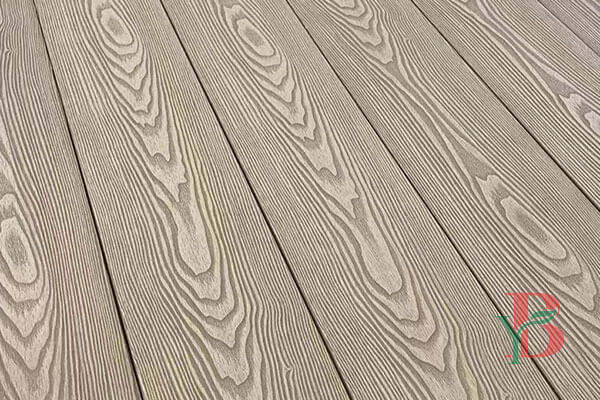
Deep wood-grain texture for a more natural appearance and enhanced slip resistance.
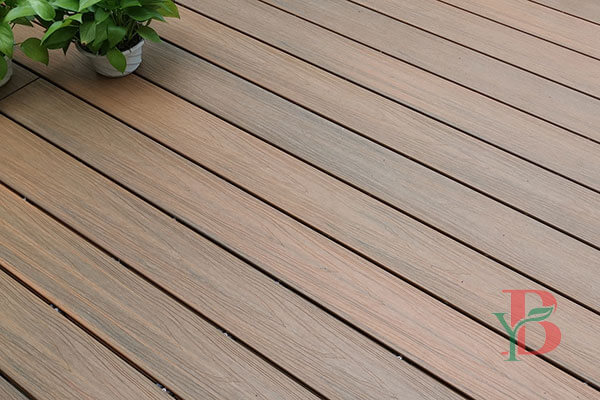
Protective capped surface for better stain & moisture resistance, and long-term durability.
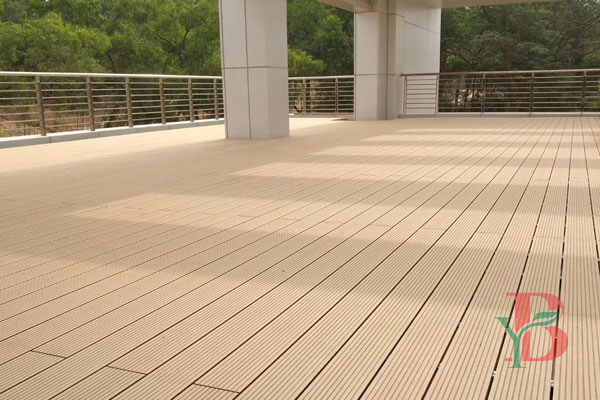
A cost-effective decking solution for residential outdoor spaces, gardens, and general projects.
Design Tips for a Durable Decking Path
A beautiful decking path should also be practical. Before installation, consider drainage, airflow, board direction, path width and the surrounding landscape.
Plan Drainage First
Leave proper gaps between boards and make sure water can drain away from the substructure.
Use a Stable Subframe
Do not install composite decking directly on soft soil. Use joists, sleepers or a raised frame for long-term stability.
Choose the Right Width
Narrow paths are suitable for decorative garden routes, while wider paths are better for two-way movement or commercial spaces.
Match the Landscape Style
Use dark boards for modern gardens, warm brown boards for natural landscapes and grey boards for contemporary outdoor spaces.
For a complete technical guide, read our Composite Decking Pathway Guide to learn more about installation, maintenance and material selection.
Composite Decking vs Wood, Stone and Concrete Paths
When choosing materials for a garden path, appearance is only one factor. Maintenance, comfort, drainage, safety and long-term durability should also be considered.
| Material | Advantages | Limitations | Best Use |
|---|---|---|---|
| Composite Decking | Low maintenance, wood-look appearance, moisture resistant, comfortable underfoot. | Higher initial material cost than basic timber. | Garden paths, poolside walkways, resorts, parks and commercial boardwalks. |
| Natural Wood | Traditional appearance, easy to cut, familiar material. | Requires staining, sealing and regular maintenance; may rot or splinter. | Rustic gardens and short-term decorative paths. |
| Stone | Premium appearance, strong durability, natural texture. | Can be heavy, costly or uneven underfoot. | Luxury landscapes and decorative garden paths. |
| Concrete | Strong, stable and widely available. | Hard surface, may crack, less warm in appearance. | Driveways, public paths and structural walkways. |
Need Composite Decking Boards for a Garden Path Project?
Bongywood supplies WPC and capped composite decking boards for garden paths, poolside walkways, resorts, parks, bridges and commercial outdoor spaces. Contact us for samples, wholesale pricing and project recommendations.
Decking Path Ideas FAQ
Can decking boards be used to create a garden path?
Yes. Decking boards can be used to create garden paths, backyard walkways, raised boardwalks and decorative outdoor routes. Composite decking is especially useful because it is low-maintenance and suitable for outdoor conditions.
Is composite decking better than wood for a garden path?
Composite decking is often a better long-term choice for garden paths because it resists moisture, rot, insects and splintering better than natural wood. It also does not require regular staining or sealing.
What is the best decking path idea for a modern garden?
A minimalist stepping-stone decking path with dark composite boards and light gravel is a strong choice for modern gardens. It creates a clean, geometric look while keeping the path practical and easy to maintain.
Can composite decking be used near water?
Yes. Capped composite decking or grooved WPC boards can be used near pools, ponds, lakes and waterfront walkways. Proper drainage and subframe design are important for long-term performance.
How do you make a decking path last longer?
Use a stable subframe, allow proper airflow, leave suitable board gaps, plan drainage carefully and clean the path regularly. Avoid installing composite decking directly on soft soil without support.
Final Thoughts
The best decking path ideas combine beauty, durability and practical outdoor performance. Whether you are designing a simple garden walkway, a curved bridge, a forest boardwalk or a long commercial promenade, composite decking boards can create a clean, natural-looking and low-maintenance route through the landscape.