
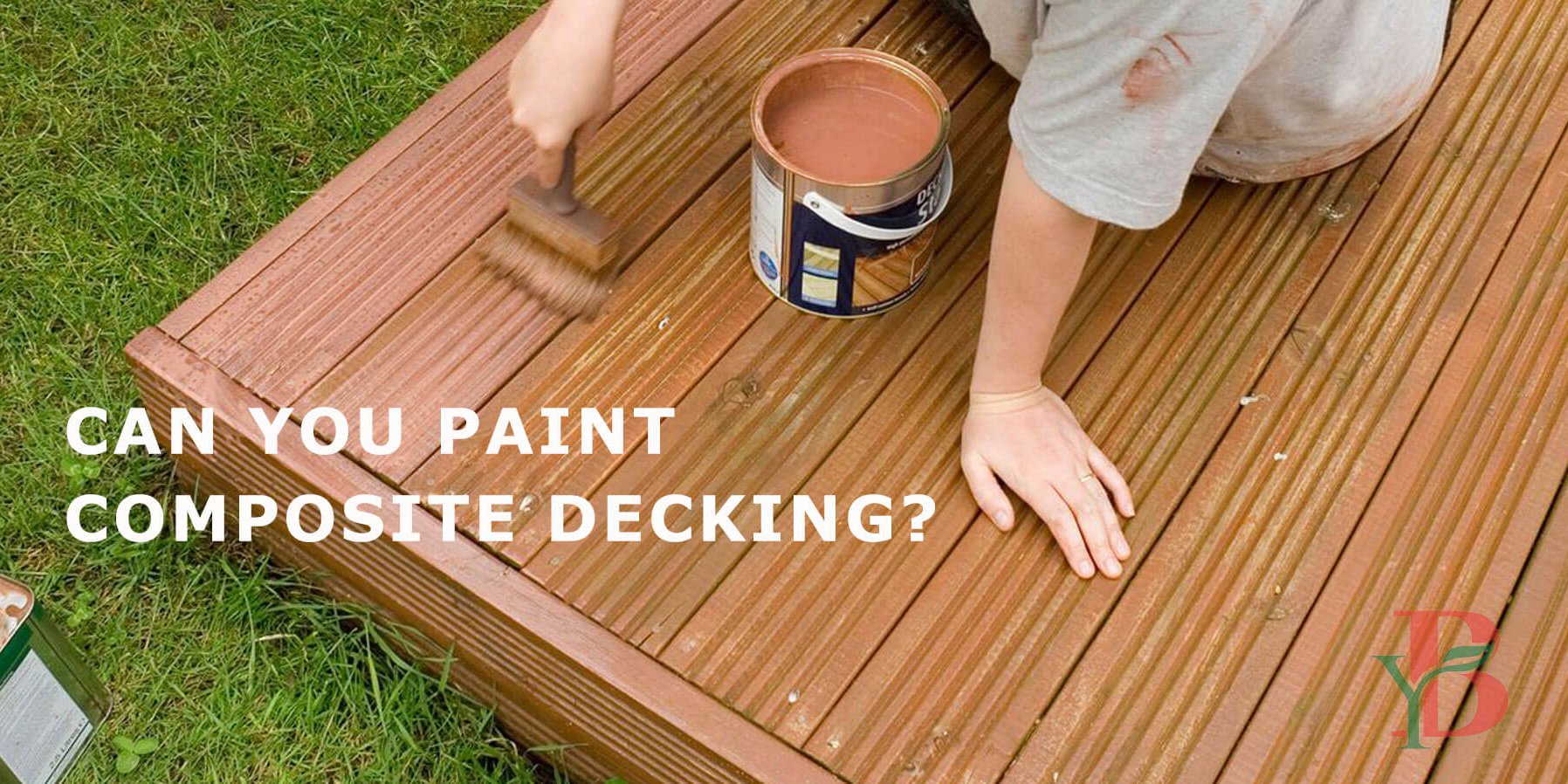
While composite decks are designed for low maintenance without the need for regular staining or painting, many homeowners consider a fresh coat of paint after years of fading or color changes, the question remains: Can you paint composite decking?
The short answer is: Yes, you can paint traditional uncapped composite decking, but it is generally not recommended for modern capped composite decking. In this guide, we will answer the common homeowner question: can you paint composite decking and what are the risks involved?
1. Types of Composite Decking: Capped vs. Uncapped
Before you decide to paint composite decking, you must identify which generation of composite material you have.This will dictate whether painting is feasible.

What is Uncapped Composite Decking?
Traditional uncapped composite decking is the “first generation” of WPC. It consists of a mix of wood fibers and plastic without a protective outer shell.
-
Surface: It has a porous, wood-like texture.
-
Paintability: Because it is porous, it accepts paint and stains much like natural lumber. However, once painted, it will require regular maintenance.
Why You Shouldn’t Paint Capped Composite Decking
Modern high-performance decking, like many products found on Bongywood WPC capped composite decking, features a “cap” or protective polymer shell.
-
The Problem: This plastic shell is engineered to be non-porous and “slick” to resist stains and fading.
-
The Result: Paint and stain cannot bond effectively to this surface. If painted, the finish will likely peel, crack, and flake within a very short time, leaving you with a high-maintenance mess.
2. Materials Needed for Painting Composite Decking
If you have confirmed your deck is uncapped and ready for a color change, gather the following:
- Soft-bristle brush & Deck cleaner: For deep cleaning without damaging fibers.
- High-grit sandpaper: To lightly scuff the surface for better adhesion.
- Exterior Primer: Specifically an acrylic latex primer designed for outdoor decks.
- Deck Paint: A high-quality, 100% acrylic latex exterior porch and floor paint.
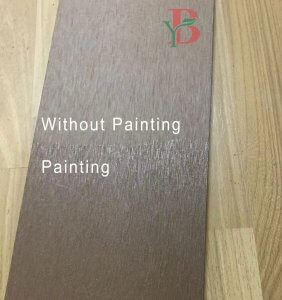
3. Step-by-Step Guide: How to Paint Composite Decking Correctly
Follow these steps to ensure the best possible bond and finish:
Deep Clean the Deck
Remove all furniture and debris. Use a dedicated deck cleaner or a mix of mild soap and water to scrub away mold, mildew, and dirt.
Light Sanding
Gently sand the surface with fine-grit sandpaper (around 240 grit) to "de-gloss" the surface. This isn't meant to remove material but to help the primer grip.
Use a High-Adhesion Primer
Do not skip this step. Use a high-quality, external-grade bonding primer designed for non-porous surfaces. It acts as the bridge between the plastic-wood mix and your new color.
Choose the Right Paint
- Best Choice: 100% UV-resistant Acrylic Latex Exterior Deck Paint.
- Why? Acrylic is flexible and stretches as boards expand and contract with temperature.
- Avoid: Oil-based paints, which don't adhere well to plastic and become brittle.
Apply two thin coats along the length of the planks using a roller or brush.
Allow to Cure
Avoid heavy foot traffic or replacing furniture for at least 24 to 48 hours to allow the paint to harden properly.
4. How Long Does the Paint Job Last?
Painting composite decking is not a permanent solution. Under ideal conditions, a quality paint job on an uncapped deck typically lasts 2 to 5 years.
- Maintenance Cycle: Once you paint a composite deck, you are committed to a cycle of repainting as the finish wears down from foot traffic and UV exposure.
- Warranty Warning: Be aware that painting your deck will almost certainly void any remaining manufacturer warranty.
5. Frequently Asked Questions (FAQ)
Can I use oil-based paint on composite decking?
No. It is highly recommended to use 100% acrylic latex paint. Oil-based paints can become brittle and are more likely to peel when the composite material expands and contracts with temperature changes.
Does painting prevent the deck from getting hot?
Using a lighter color paint can help reduce heat absorption compared to a dark, faded original board, but the composite core will still retain some heat.
Is it better to stain or paint?
For uncapped decking, a high-quality solid-color stain is often preferred as it penetrates the fibers better than paint, leading to less peeling.
How long will the paint last on a composite deck?
Depending on foot traffic and weather, a high-quality paint job usually lasts 3-5 years before needing a touch-up.
Will painting my composite deck void the warranty?
Most likely, yes. Many manufacturers’ warranties do not cover damage caused by aftermarket coatings.
6. Conclusion
While you can paint older, uncapped composite decking to give it a fresh look, it transitions your “low-maintenance” deck into a “high-maintenance” project. Many people wonder if they can paint composite decking to save money, but long-term maintenance should be considered. If your deck is capped or heavily structurally damaged, the better long-term investment is often upgrading to modern Capped WPC Decking which offers permanent color and superior durability.
Ready to upgrade to Capped WPC?
Get expert guidance or a wholesale quote from Guangdong Bongywood today. Our capped composite decking offers superior durability without the need for painting.