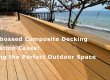

A composite decking pathway is a durable, low-maintenance solution for garden walkways, backyard paths, poolside routes, and commercial outdoor access areas. Compared with traditional timber, WPC composite decking resists moisture, rot, splintering, insects, and fading, making it ideal for long-term outdoor use.
Whether you are designing a natural garden path, a modern minimalist walkway, an elevated landscape route, or a slip-resistant poolside pathway, composite decking offers strong design flexibility with wood-grain textures, multiple colors, and reliable weather resistance.
🌿What Is a Composite Decking Pathway?
A composite decking pathway is an outdoor walkway built with wood-plastic composite decking boards. These boards are typically made from recycled wood fiber, plastic, and additives, creating a material that combines the natural appearance of wood with improved resistance to moisture, decay, and weather exposure.
Unlike stone, concrete, or traditional timber, a composite decking walkway can create a warmer and more natural outdoor surface while reducing the need for staining, sanding, sealing, or frequent replacement. It is widely used for garden paths, backyard walkways, poolside access, outdoor corridors, resort landscapes, and commercial boardwalks.
✅ Why Choose Composite Decking for Outdoor Pathways?
Durability & Weather Resistance
- Withstands harsh weather
- Resists rot, insects & wear
- No warping or splitting
- Decades of structural integrity
Low Maintenance
- No staining or sealing
- Simple soap & water cleaning
- Fade & stain resistant
- Minimal upkeep, lasting beauty
Versatile Design
- Colors & textures for every style
- Realistic wood grain
- Custom patterns & layouts
- Blends seamlessly with landscaping
Eco-Friendly Choice
- Made from recycled materials
- Sustainable wood alternative
- Longer lifespan = less waste
- Low environmental impact
✨Popular Composite Decking Pathway Styles
1.Classic Garden Path (Rustic & Natural)
A classic garden path made from composite decking can create a charming and rustic feel. The warm tones and natural texture of composite decking mimic the look of traditional wood, perfect for blending into a garden setting.
- Top Choice: Use Bongywood 3D Embossed WPC Decking. It features a deep, high-definition wood grain texture that mimics natural oak or walnut.
- Design Tip: Line the edges with natural river stones or lavender bushes to create a soft, organic feel that blends into your landscape.


2.Modern Minimalist Walkway (Sleek & Dark)
For a more contemporary look, use sleek, dark-colored composite boards with a smooth finish. Choose colors like charcoal, black, or dark grey to create a striking contrast. Pair your modern composite walkways with minimalist landscaping. This can create a striking contrast that makes your outdoor space pop.
- Top Choice: Opt for Capped Composite Decking in Charcoal or Dark Grey. The smooth, consistent finish creates a high-end, urban look.
- Design Tip: Use geometric patterns or straight, wide boards to emphasize the length of the walkway.


3.Slip-Resistant Poolside Pathway
Create a luxurious poolside pathway using water-resistant capped composite decking materials. This not only adds an element of safety by providing a non-slip surface but also contributes to the overall aesthetic appeal of your pool area.
- Top Choice: Our Capped WPC series is specifically designed with moisture-resistant technology and a non-slip surface.
- Design Tip: Choose lighter colors like Teak or Light Grey. These shades reflect heat, keeping the path cool for bare feet even in mid-summer.


4.Elevated Composite Walkways for Sloped Landscapes
Choosing the right board profile is important when building a composite decking pathway for high-traffic areas or commercial outdoor walkways. With Bongywood Adamas H series composite decking, you can build a durable and stylish walkway that will last for years to come.
- Top Choice: Use the Bongywood Adamas H series. Its durability and strength ensure it can handle the weight of the walkway and heave foot traffic.
- Installation Tip: Use screws to install the Bongywood Adamas H series composite decking to the substructure. This ensures a strong and stable connection.
- Design Tip: Incorporate built-in LED step lights for a safe and magical atmosphere at night.


🪵 How to Design a Stunning Composite Decking Pathway
A successful pathway is not only about materials. It is also about proportion, layout, and visual flow. Here are some practical design tips to help you create a more beautiful and functional result.
- Incorporate Curves
Instead of straight liner path, incorporate curves into the design of your composite walkway. Curved pathways add visual interest and guide visitors through your landscape. Curved composite decking pathway can follow the shape of flower beds or other landscaping elements for an organic, flowing look.


Use Contrasting Colors
Combine different shades of composite decking boards to create a two-toned effect, defining separate areas or highlighting focal points along the walkway. A contrasting border or inlaid pattern using a complementary color can make the composite decking pathway stand out.
-
Create Destination Points
Incorporate a detached composite deck or gazebo as a destination point along the walkway. This provides an inviting outdoor living space that the path leads visitors towards.

🍃Composite Decking Pathway vs Wood, Stone, and Concrete
A composite decking pathway offers a more modern alternative. It gives you the wood-inspired look many homeowners love, but with a more stable, lower-maintenance surface that is designed for long-term outdoor use.
| Material | Advantages | Disadvantages | Best Use |
|---|---|---|---|
|
Composite Decking Recommended |
Low maintenance, wood-like appearance, moisture resistant, comfortable underfoot. | Higher initial cost than basic timber. | Gardens, poolside paths, resorts, and commercial walkways. |
| Wood | Natural look, easy to cut, familiar material. | Requires staining, sealing, and regular maintenance; may rot or splinter. | Traditional garden paths and rustic outdoor spaces. |
| Stone | Very durable, natural texture, premium appearance. | Can be heavy, costly, uneven, or slippery depending on surface. | Luxury landscapes and decorative garden paths. |
| Concrete | Strong, stable, widely available. | Hard surface, may crack, less warm in appearance. | Driveways, public paths, and structural walkways. |
If you’re still weighing the pros and cons of composite and timber materials, you can also read our detailed guide on WPC decking vs. wood decking to compare durability, maintenance, cost, and long-term performance.
🧮How Much Does a Composite Decking Pathway Cost?
The cost of a composite decking pathway depends on board type, pathway width, subframe material, installation method, project size, and local labor costs. Although composite decking usually costs more upfront than basic timber, it can reduce long-term expenses because it does not require regular staining, sealing, sanding, or frequent replacement.
Board type: hollow, solid, 3D embossed, or capped composite decking
Pathway size: length, width, and layout complexity
Installation accessories: joist, sleeper, clips, screws, and edge finishing
Base preparation: ground preparation and drainage requirements
Project type: residential garden path vs commercial walkway requirements
Proper installation is essential for long-term performance. If you are planning a composite decking pathway project, our guide to WPC decking installation secrets shares practical tips on framing, spacing, and installation details that can help extend the lifespan of your decking.
🧹Maintenance Tips for a Composite Decking Pathway
Composite decking is much easier to maintain than traditional timber, but regular care still helps extend the service life and keep the pathway looking clean. With proper drainage and subframe support, a composite decking pathway can provide long-term performance in gardens, resorts, parks, and poolside spaces.
Private gardens and backyard walkways
Poolside paths and spa areas
Villa courtyards and terrace routes
Hotels, resorts, and outdoor hospitality areas
Parks, scenic trails, and waterfront boardwalks
Commercial outdoor access paths
Landscape projects requiring wood-look walking surfaces
For more detailed care advice, see our full composite decking maintenance guide, where we cover cleaning methods, stain removal, and practical maintenance tips for different types of composite boards.
Need WPC Decking for a Garden Path or Commercial Walkway?
Bongywood supplies composite decking boards for gardens, poolside areas, resorts, parks, scenic trails, courtyards, and outdoor commercial projects. Contact us to get free samples, wholesale pricing, and technical recommendations for your pathway project.
❓Composite Decking Pathway FAQ
Is composite decking good for garden pathways?
Yes. Composite decking is an excellent material for garden pathways because it is durable, low-maintenance, and resistant to rot, insects, and splintering. It also creates a cleaner and more polished appearance than many traditional timber paths.
Does a composite decking pathway get hot in the sun?
Like all outdoor materials, composite decking can absorb heat. However, our lighter shades (such as Light Grey or Teak) stay significantly cooler than darker colors. For sunny, open garden paths, we recommend choosing lighter tones to ensure the walkway remains comfortable for bare feet and pets.
Is composite decking too slippery for a pathway?
No. High-quality WPC, especially our 3D Embossed and Capped series, is engineered with anti-slip textures that provide better traction than wet traditional wood.
Is the color of the pathway guaranteed to last?
Our Capped Composite Decking features an extra protective layer that provides elite resistance to fading and staining. While all outdoor materials experience very minor weathering, our WPC is designed to maintain its rich color for decades.
Can I use composite decking for a curved pathway?
Yes, although the boards themselves are straight. You can create the appearance of a curve through layout planning, angled cuts, stepped edging, and thoughtful border design.
How wide should a composite decking pathway be?
For most residential applications, a pathway width of around 900 mm to 1200 mm works well. The ideal width depends on whether the path is mainly decorative, single-person access, or intended for more comfortable two-way movement.
Can I install a composite path directly on the ground?
It is not recommended to install composite boards directly on the ground. A proper subframe or joist system is usually required to provide drainage, ventilation, and long-term stability.
Can I install a composite decking pathway over an existing concrete walk?
Yes, you can. This is often called a “sleeper system.” You must first install low-profile joists (sleepers) over the concrete to allow for proper water drainage and airflow before laying the composite boards on top.
How do you clean and maintain a composite decking pathway?
Maintenance is incredibly simple. Unlike wood, you never need to sand, oil, or seal it. For regular cleaning, just use soap, water, and a soft brush to remove dirt or debris. For a deeper clean, a standard pressure washer (under 1500 PSI) can be used to keep the wood grain looking sharp.
Is composite decking more expensive than wood for a garden path?
While the initial cost of composite materials may be higher than pressure-treated timber, it is a more cost-effective investment over time. When you factor in the money saved on stains, sealers, and repairs—plus the 20+ year lifespan—composite decking is significantly cheaper in the long run.
Is Bongywood composite decking eco-friendly?
Absolutely. Our WPC products are made from recycled wood fibers and reclaimed plastics. By choosing a composite pathway, you are reducing deforestation and keeping plastic waste out of landfills, making it a sustainable choice for your landscaping.
How long does a composite decking pathway last?
A high-quality composite decking pathway can last for many years when installed with proper joist spacing, drainage, ventilation, and regular cleaning.
🍃 Final Thoughts
A composite decking pathway is a smart investment for anyone who wants to improve the beauty, safety, and usability of an outdoor space. Whether you prefer a rustic garden path, a modern minimalist walkway, a poolside route, or an elevated landscape feature, composite decking gives you the durability and design flexibility to achieve a long-lasting result.
With the right planning, color choice, and installation method, a composite walkway can become one of the most attractive and practical features in your landscape.