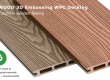
Composite Decking Applications can range from private garden decks and apartment balconies to hotel terraces, public walkways and landscape platforms. This guide shows how 3D embossed WPC decking can be matched to different project environments, traffic levels and design requirements.
What Are Composite Decking Applications?
Composite Decking Applications describe the outdoor spaces and project types where composite boards are specified as the finished walking surface. Common examples include patios, terraces, balconies, rooftop decks, garden paths, pool surrounds, restaurant seating areas, resort decks and boardwalks.
Each project has different requirements for profile structure, drainage, subframe design, board direction and surface appearance. Product selection should therefore be based on the actual project environment rather than appearance alone.
3D embossed WPC decking combines wood fibers and plastic with a deeply textured surface that creates a more natural wood-grain appearance. Compared with traditional timber, it does not require routine staining, painting or sealing. Correct product selection and installation remain essential for long-term project performance.
Why Choose 3D Embossed WPC Decking for Outdoor Projects?
The surface texture, profile choices and repeatable production make 3D embossed boards suitable for both residential and commercial outdoor projects.
Realistic Wood-Grain Surface
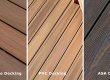
The deep embossed texture adds visible depth and helps outdoor decking coordinate with gardens, stone, metal railings and contemporary architecture.
Lower Routine Maintenance
Routine cleaning is generally simpler than the repeated staining and sealing associated with natural wood decking.
Residential and Commercial Profiles
Hollow profiles can be considered for many residential projects, while solid profiles are often selected for higher-traffic paths and commercial areas.
Flexible Colors and Lengths
Grey, teak, brown and redwood tones support different architectural styles, while multiple profile sizes help contractors plan project quantities.
Composite Decking Applications: Bongywood 3D Embossed WPC Decking Projects
The following examples connect each project environment with practical profile, design and purchasing considerations.
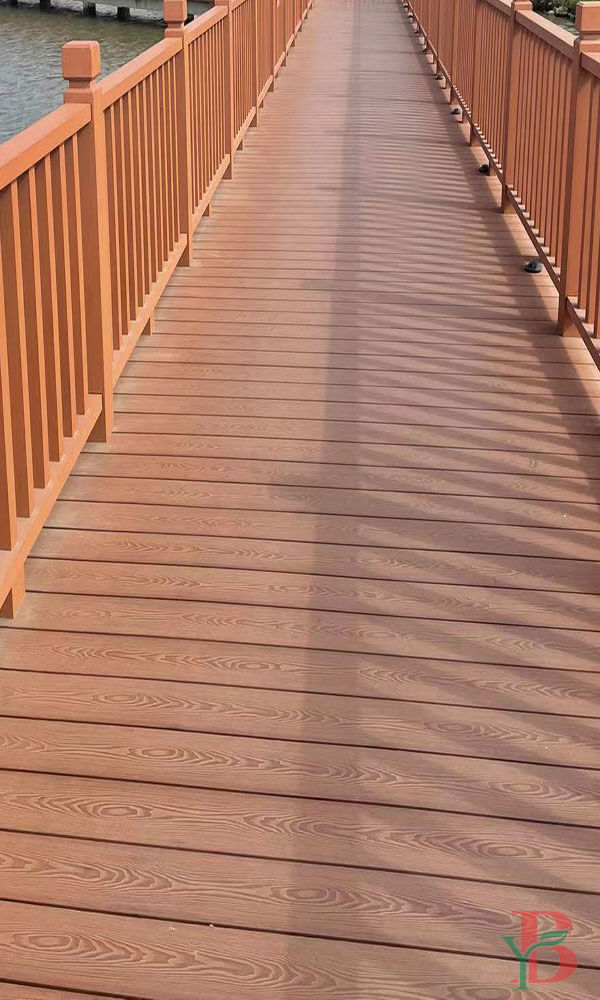
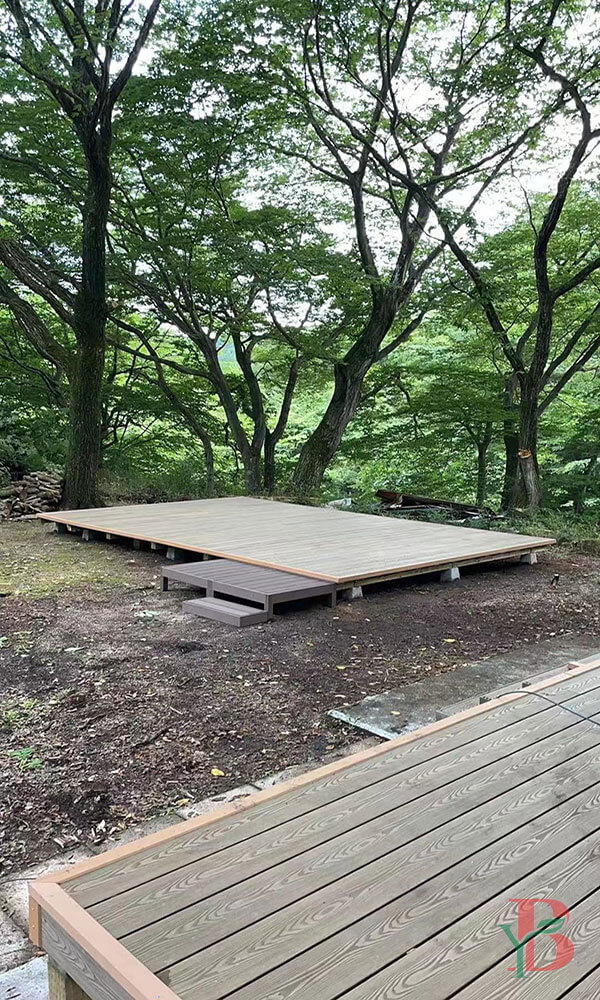
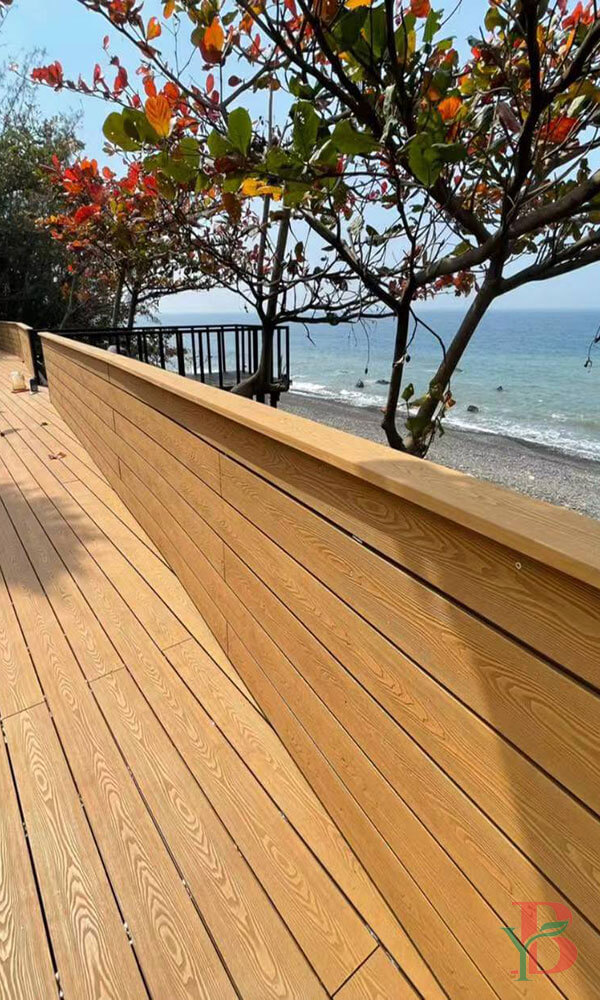
Garden Landscape Composite Decking Projects
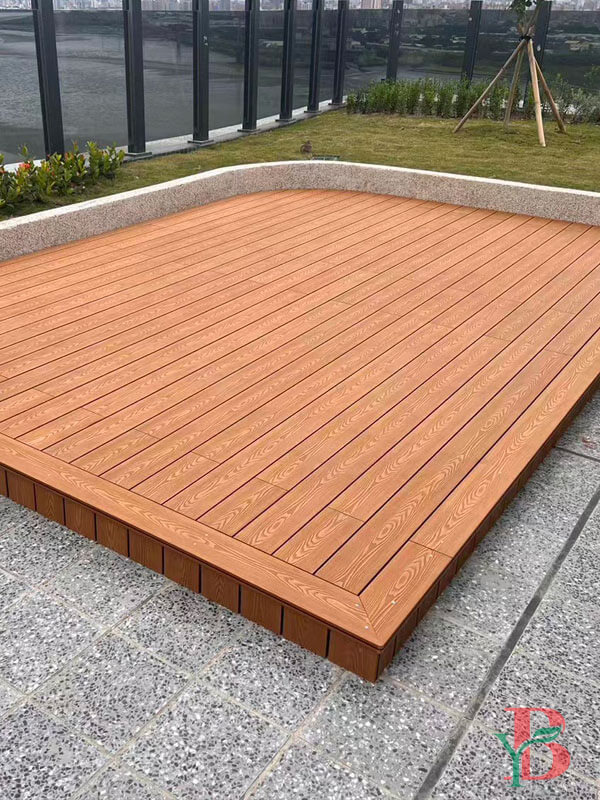
Garden composite decking applications can be used for pathways, seating platforms, low-level decks and landscape transitions. A 3D embossed surface helps the boards visually blend with plants, stone and other outdoor materials.
Best fit
Garden paths, platforms,
landscape decks
Profile tip
Consider solid profiles for
higher-traffic paths
Design note
Use grain direction to guide
walking flow
Buyer note
Confirm substructure and drainage
details early
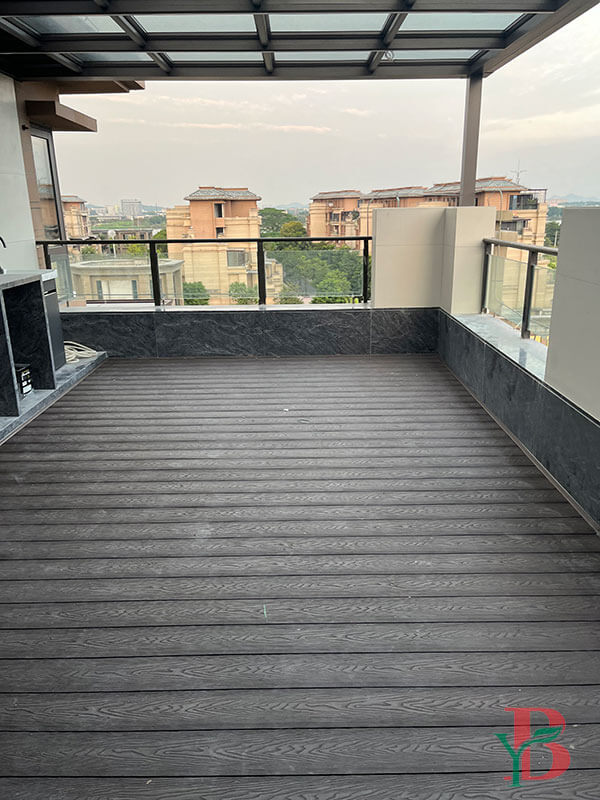
Balcony and Rooftop Composite Decking
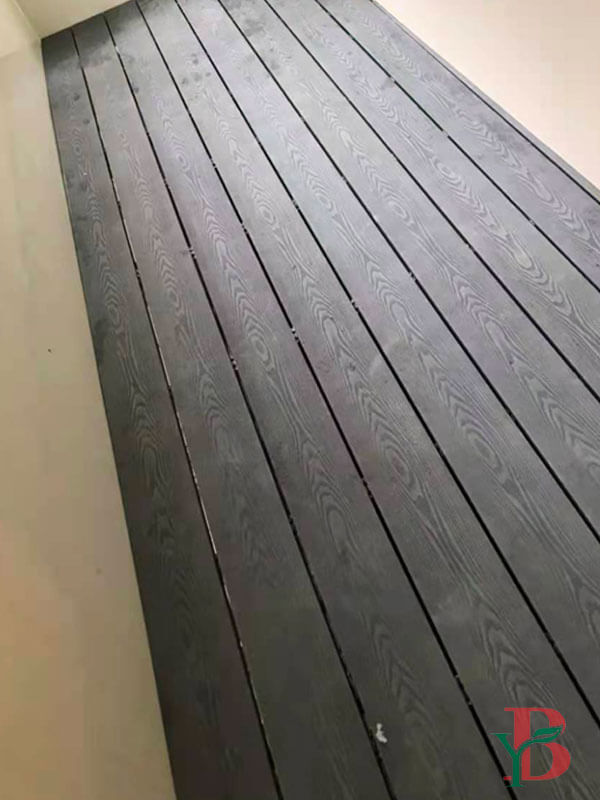
Balcony and rooftop composite decking helps turn small urban outdoor spaces into usable terraces. Board weight, drainage layer, ventilation and local building requirements should be reviewed before specification.
Best fit
Apartment balconies, rooftop gardens,
terraces
Profile tip
Hollow profiles may support
easier handling
Design note
Use clean edge details for
a premium finish
Buyer note
Check project load and installation limits
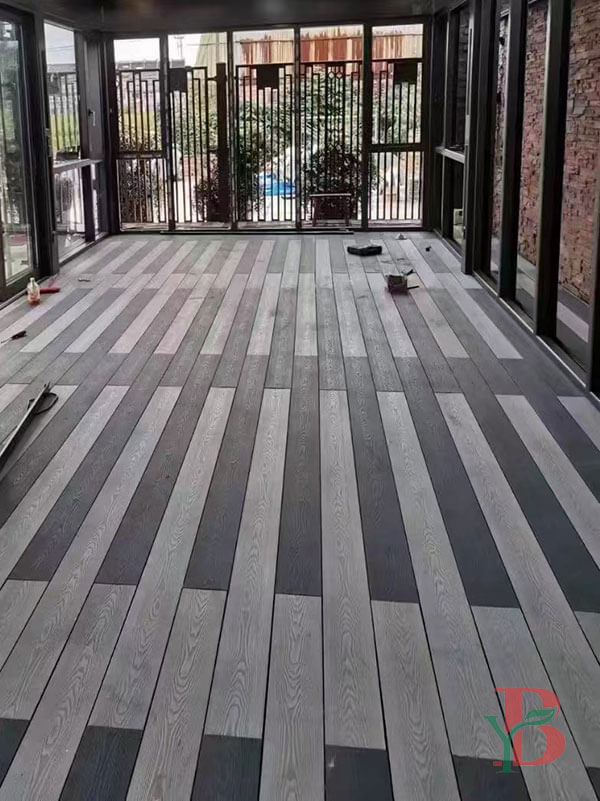
Commercial Composite Decking Projects
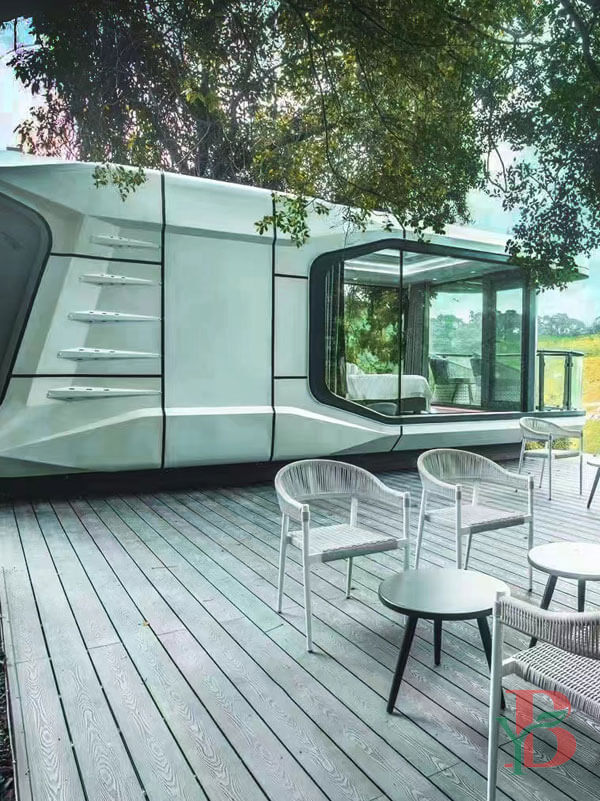
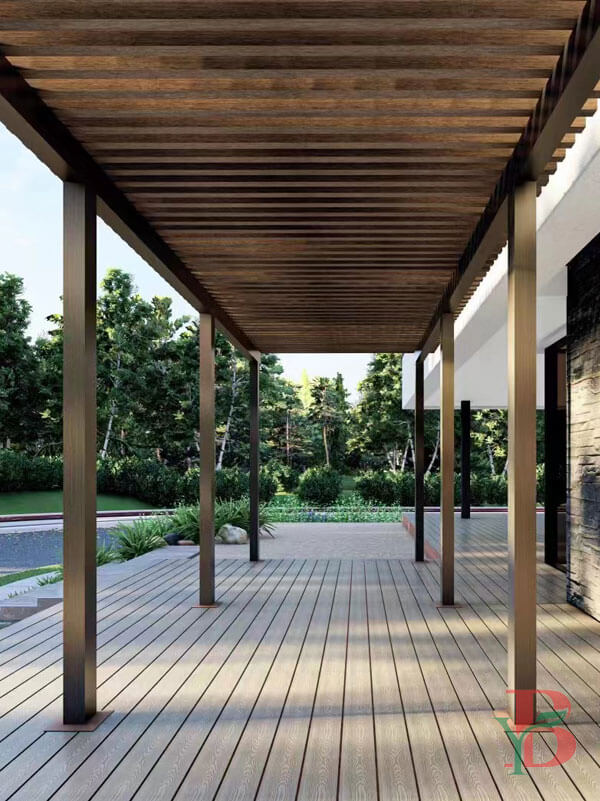
Patios, villas, pergola areas and indoor-outdoor transition spaces are common Composite Decking Applications. 3D embossed WPC decking helps create a coordinated wood-look surface across larger areas.
Best fit
Hotels, cafés, resorts, restaurants
Profile tip
Solid profiles may be considered for higher-traffic areas
Design note
Specify one color batch for
large visible areas
Buyer note
Request packing, lead time and container loading details
How to Select a Profile for Different Projects
Use this table as a preliminary guide before confirming the final profile, substructure and installation plan.
| Application | Recommended Starting Point | Key Planning Factors |
|---|---|---|
| Residential balcony | Hollow or project-approved profile | Weight, drainage, access and local load limits |
| Garden deck | Hollow or solid profile | Ground clearance, ventilation and joist spacing |
| Hotel terrace | Solid or commercial-approved profile | Traffic, color-batch consistency and maintenance access |
| Pool surround | Project-approved textured profile | Drainage, surface temperature and local slip requirements |
| Public walkway | Solid profile or engineered system | Traffic, span, substructure and fastening design |
RELATED COMPARISON GUIDE
3D Embossed WPC Decking vs Traditional Wood
Compare appearance, maintenance and outdoor project considerations before choosing a decking material.
Composite Decking Applications FAQ
Where can 3D embossed WPC decking be used?
It can be considered for residential patios, balconies, rooftop terraces, garden paths, pool surrounds, hotels, restaurants, resorts and public walkways. Suitability depends on the selected profile, substructure, traffic level and local requirements.
Should I choose hollow or solid WPC decking?
Hollow boards are commonly considered for many residential areas because they are easier to handle. Solid boards may be more suitable for higher-traffic or commercial projects. The final choice should be based on span, loading, subframe design and manufacturer guidance.
Is 3D embossed decking maintenance-free?
No outdoor decking is completely maintenance-free. WPC decking generally requires routine sweeping and washing, but it does not need the regular staining, painting and sealing associated with traditional timber.
Can one decking profile be used for every application?
Not always. Different Composite Decking Applications can require different profile structures, spans, fastening systems and installation details. Project information should be reviewed before a profile is recommended.
How does 3D embossing enhance the aesthetics of wood-plastic composite Decking?
- Realistic Wood Grain Appearance: It replicates the natural beauty of wood by creating a convincing wood grain texture.
- Depth and Dimension: The 3D embossed surface captures and reflects light in a way that creates a more dynamic and visually appealing look compared to flat surfaces.
- Luxury Feel: This added detail elevates the overall look and feel of the outdoor space, creating a more upscale and inviting ambiance.
How does 3D embossed composite decking compare to traditional wood decking in terms of durability?
- Superior Durability: WPC decking, with its 3D embossing, is generally more durable than traditional wood decking.
- Resistance to Rot, Insects, and Moisture: WPC is inherently resistant to these elements, unlike wood, which can decay over time.
- Scratch and Scuff Resistance: The embossed texture helps protect the surface from scratches and scuffs, making it more resistant to wear and tear.
Plan Your 3D Embossed WPC Project
The best Composite Decking Applications begin with a clear understanding of the site, expected use and installation conditions. 3D embossed WPC decking can support residential, hospitality and landscape projects with a realistic wood-look surface, multiple color choices and practical routine care.
Request Composite Decking Project Support
Send your project type, deck area, preferred color, country and target application. We can help recommend suitable 3D embossed WPC decking profiles and prepare sample or quotation information.
Good inquiry details: project location, application, estimated area, preferred profile, color, length and delivery schedule.