Choosing the right exterior cladding is important for the appearance, performance and long-term cost of a building. WPC (wood plastic composite) wall panels have become an alternative to traditional wood siding, offering wood-look finishes and generally lower routine maintenance. In this guide, we compare WPC vs wood siding, explore the benefits of WPC exterior wall cladding, explain important cost factors and provide practical tips for choosing the right panels for your project.
What Is WPC Exterior Wall Cladding?
WPC (wood plastic composite) wall panels are made from a combination of wood fibers, plastic polymers and selected additives. They combine the natural look of wood with improved weather resistance and lower maintenance, making them a practical choice for exterior walls, facades and other outdoor applications.
WPC vs Wood Siding: Key Differences
The comparison of WPC vs Wood Siding helps homeowners, contractors and building material distributors understand the differences between these two exterior cladding options. Natural wood siding is valued for its authentic grain, natural variation and traditional character. However, outdoor timber may need periodic sealing, staining or painting, depending on the wood species, treatment and local climate.
WPC wall panels are an alternative for projects that need a consistent wood-look finish and a different maintenance routine. The table below provides a general comparison; product-specific specifications should always be checked before selection.
| Comparison | WPC Wall Panels | Natural Wood Siding |
|---|---|---|
| Moisture Resistance | Generally lower moisture absorption | Depends on wood species and treatment |
| Rot Resistance | Generally resistant to wood rot | May be susceptible to rot |
| Termite Resistance | Generally resistant to termite damage | Depends on wood species and treatment |
| Maintenance | Low routine maintenance | May require periodic sealing or staining |
| Appearance | Various wood-look finishes and colors | Natural wood grain and texture |
| Initial Cost | Moderate, depending on profile and quality | Varies by wood species |
| Long-Term Cost | Lower, with less maintenance over time | Higher, due to regular maintenance |
Get WPC Fluted Panels
for Your Project
Tell us your requirements and get
a fast quotation.
Why Choose
BONGYWOOD WPC?
- ✓ Since 2013, 10+ Years of Experience
- ✓ 30,000 m² Factory Area
- ✓ 60 Production Lines
- ✓ ~20,000 Tons Annual Capacity
- ✓ Serving Customers in International Markets
Key Benefits of WPC Exterior Wall Cladding
One important consideration in choosing WPC vs Wood Siding is the level of maintenance required over time. WPC exterior wall panels are designed to provide a wood-inspired appearance while reducing the need for regular painting, staining and surface treatment associated with many natural timber siding systems.
Enhanced
Durability
Better resistance to moisture, weather and outdoor conditions.
Co-extrusion
Protection
A protective surface layer for improved stain and UV resistance.
Low
Maintenance
No regular painting or staining, easy to clean.
Wood-Look
Design
Natural wood grain textures and multiple colors.
Multiple
Profiles
Slat, fluted and modern designs for different projects.
Why Consider Co-extrusion WPC Panels?
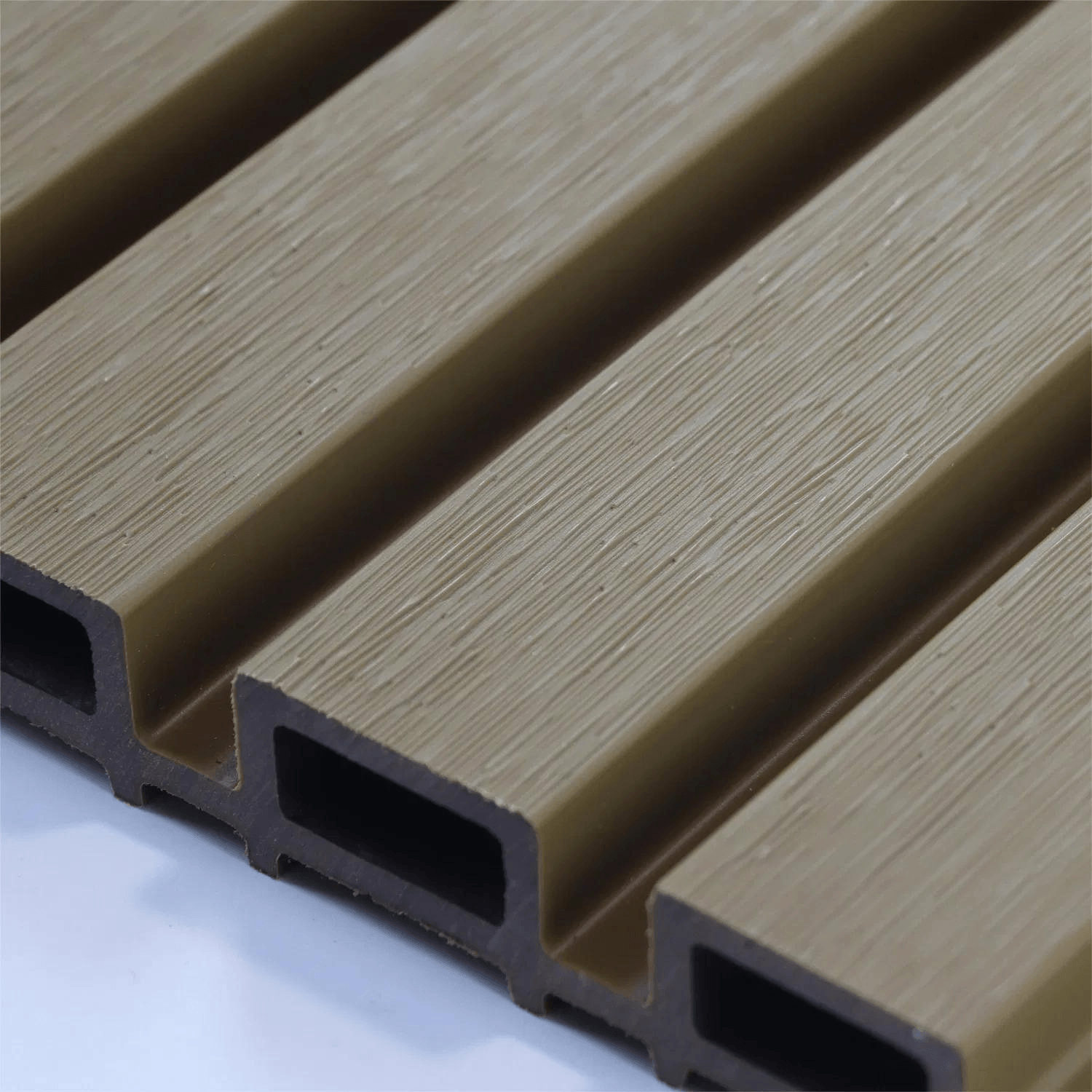
Co-extrusion WPC Wall Panels
Co-extrusion WPC wall panels feature a protective outer layer surrounding the composite core. Compared with traditional uncapped profiles, this structure provides enhanced surface protection and improved durability for outdoor applications.
-
Stain Resistance: Helps resist everyday surface stains and makes cleaning easier.
-
Weather Protection: Provides additional protection against outdoor weather exposure.
-
Natural Appearance: Available in wood-grain finishes and multiple color options, depending on the product series.
-
Low Maintenance: No regular painting or staining required.
Explore our exterior WPC wall panels to compare co-extrusion, slatted and classical profiles.
Different WPC Wall Panel Profile Options
Different WPC wall cladding profiles create different facade effects. Here are popular WPC wall cladding options for exterior projects.
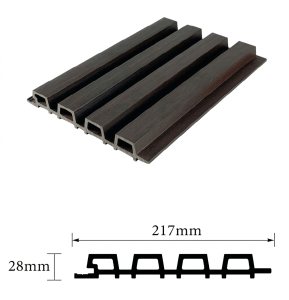
WPC Fluted and Slat Wall Panels
Linear profiles with raised and recessed sections create depth and shadow lines for contemporary facade designs.

Co-extrusion WPC Wall Cladding
Flat siding profiles provide a more streamlined appearance for exterior walls and selected covered applications.

WPC Soffit & Ceiling Panels
Selected WPC cladding profiles can be used for soffits, porch ceilings and eaves, creating a coordinated wood-look finish.
Need help selecting the right wall cladding system?
Tell us your project type, preferred facade style and application requirements.
Applications of WPC Exterior Wall Cladding
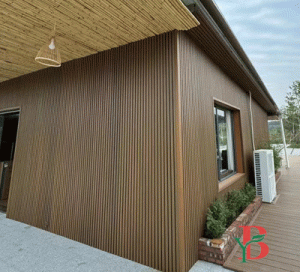
Residential Exterior Walls
WPC cladding can be used on houses, villas and residential buildings to create wood-look facade features and decorative exterior surfaces.
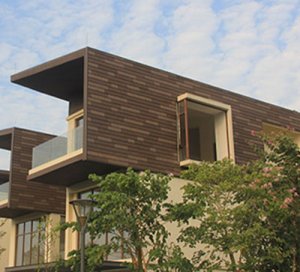
Commercial Building Facades
Offices, hotels and retail buildings may use suitable slatted or flat WPC profiles for contemporary exterior designs.
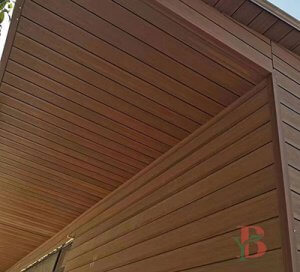
Balcony, Soffit and Eaves Areas
WPC cladding profiles may be suitable for balcony walls, soffits, eaves and covered ceiling areas.
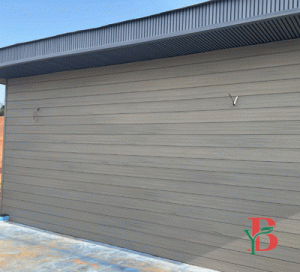
Decorative Feature Walls
Grooved and slatted profiles can add depth and visual interest to entrances, outdoor feature walls and selected architectural sections.
WPC Exterior Wall Cladding Cost: What Should Buyers Consider?
When evaluating WPC vs Wood Siding, buyers should compare both the initial purchase price and potential long-term maintenance costs. The overall investment depends on material quality, panel specifications, installation requirements and the expected maintenance over the product’s service life.
WPC Wall Panel Installation & Maintenance
Correct installation is essential for the performance of an exterior cladding system. The fixing method and installation details vary by profile, so always follow the manufacturer’s technical instructions.
Check the Profile and Installation System
- Direct Screw (Quick & Efficient): WPC panels are designed for ease. They can be cut, drilled, and mounted using standard woodworking tools. This method focuses on minimizing waste and maximizing efficiency.


- Hidden Fastener Systems (Seamless & Modern): Ensure the panels are compatible with clip systems or hidden fasteners. This not only makes installation faster but also provides a seamless look without visible screws.


Item No.: ZS159.5Y20.5
Size: 159.5mm(L)*20.5mm(H)
Surface: Brushed / Wood Grain
Material: Co-extrusion WPC
Routine Maintenance
- Clean the surface with water and mild soap, following the manufacturer’s instructions.
- Use a soft brush or cloth to remove ordinary dirt.
- Avoid harsh chemicals and abrasive cleaning tools unless specifically approved.
- Inspect fixing components and the supporting structure periodically.
Frequently Asked Questions About WPC Exterior Wall Panels
Is WPC better than natural wood for exterior walls?
WPC is worth considering when low routine maintenance and consistent wood-look profiles are priorities. Natural wood offers authentic grain and traditional material characteristics. The right choice depends on project requirements, budget and local conditions.
Are WPC exterior wall panels waterproof?
WPC generally has lower moisture absorption than natural timber, but the complete wall cladding system should not automatically be considered waterproof. Proper building-envelope waterproofing, drainage and installation details remain important.
Do WPC wall panels fade in sunlight?
While most materials eventually show some change, high-quality exterior co-extrusion WPC wall panels are designed with UV inhibitors to minimize fading. Unlike natural wood, our WPC panels retain their color much longer, requiring no repainting. They might undergo a slight, natural weathering process in the first few months, after which the color stabilizes for years.
Are WPC wall panels waterproof and rot-resistant?
WPC wall panel is known for their lower moisture absorption rate compared to timber, reducing the risk of issues like wet rot. Adding a water repellent membrane as an additional protective layer is a smart measure to safeguard walls from water penetration, ensuring the longevity and integrity of the wall cladding.
What is the difference between capped and uncapped WPC panels?
Capped or co-extrusion panels have an additional protective outer layer around the composite core. Uncapped panels have a traditional composite surface. Their surface construction, protection and price can differ.
Do WPC wall panels require painting or staining?
No, WPC panels are low maintenance and do not need painting, staining, or sealing, making them an attractive option for those seeking a low-maintenance, durable, and aesthetically pleasing wall paneling solution.
How much does WPC exterior wall cladding cost?
Pricing depends on dimensions, profile structure, surface construction, color, quantity, accessories and destination. Contact the manufacturer with your specifications for an accurate quotation.
Can WPC wall panels be installed vertically or horizontally?
Selected profiles may support vertical or horizontal installation. The permitted direction and fixing arrangement depend on the profile and manufacturer’s instructions.
What are the maintenance requirements for WPC wall cladding?
Maintaining WPC exterior cladding is incredibly simple. Usually, a periodic wash with soap and water or a pressure washer (on a low setting) is enough to remove dust and debris. Unlike wood, you don’t need to worry about sanding, oiling, or chemical treatments to keep your walls looking modern and new.
Is WPC wall panel environmentally friendly?
WPC is a highly sustainable building material. Our panels are made from recycled wood fibers and reclaimed plastics, reducing landfill waste and the need for deforestation. By choosing eco-friendly WPC wall panels, you are contributing to a circular economy while enjoying a durable, long-lasting product that doesn’t require toxic chemical treatments.
Can WPC wall panel colors and lengths be customized?
Customization options depend on the product series, production requirements and order quantity. Confirm available colors, lengths and minimum order quantities with the manufacturer.
Interested in modern slatted designs? Explore our related guide: WPC Fluted Panels: Sizes, Benefits and Installation Guide.