When building or renovating a deck, choosing the right material can be a tough decision. The three most popular options are composite decking, PVC decking, and ASA decking. While all three are designed for durability, low maintenance, and long-lasting beauty, each material has unique benefits and potential drawbacks. This decking comparison breaks down the three industry leaders—Composite, PVC, and ASA—to help you determine which delivers the best value for your home.
Composite Decking: The Balanced All-Rounder
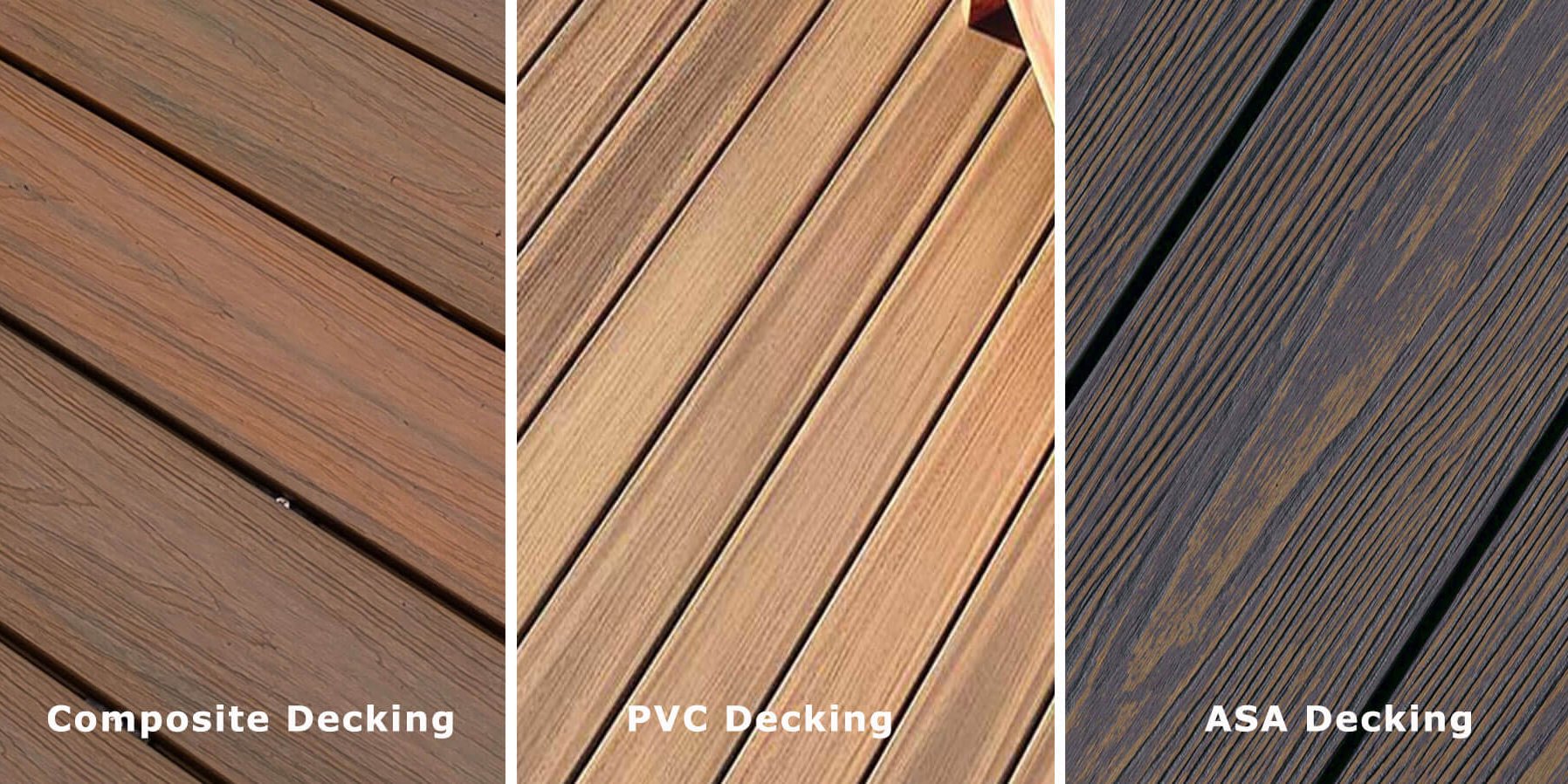
Composite decking is a hybrid material engineered from a blend of wood fibers and recycled plastic. This blend provides a material that mimics the look of wood while offering the durability and low-maintenance qualities of plastic.
- Best For: Homeowners who want a natural timber look without the maintenance of real wood.
- Pros: Eco-friendly (recycled content), realistic wood grain patterns, and cost-effective.
- Cons: Higher heat retention and lower moisture resistance compared to pure synthetics.
Pro Tip: Look for Capped Composite Decking. Modern boards (post-2008) feature a hard outer shell that significantly improves resistance to stains and fading.
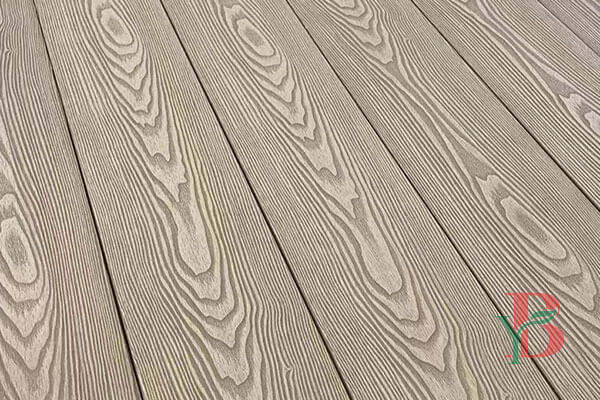
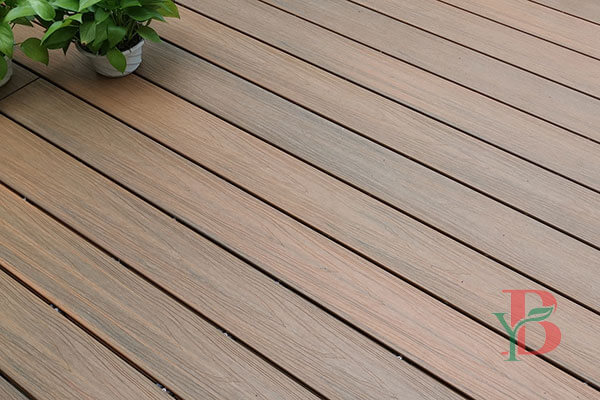
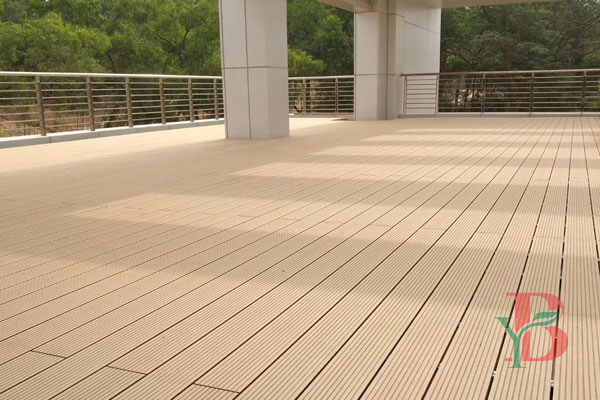
Bongywood WPC has developed a variation collection of wood plastic composite decking which offers the aesthetic of natural timber and the benefits of long-lasting beauty with minimal maintenance, you will have many colors and grain patterns to choose from that you are sure to be happy with your choice.
PVC Decking: The Waterproof Specialist
PVC decking is made entirely from polyvinyl chloride (PVC) plastic. This decking option is 100% plastic, meaning it’s highly resistant to water, mold, mildew, rot and insects. PVC decking is known for its clean, modern look and low-maintenance, it also does not require staining or sealing.
- Best For: Pool decks, docks, and high-humidity climates.
- Pros: 100% waterproof, immune to rot and insects, and extremely lightweight.
- Cons: Can have a “plastic” feel and expands/contracts more with temperature changes.
ASA Decking: The Premium UV Shield
ASA (Acrylonitrile Styrene Acrylate) decking is the newest innovation in the market. It utilizes a high-grade engineering plastic known for its incredible weatherability. ASA decking has quickly become popular due to its superior color retention, UV resistance, and scratch resistance. It provides the look of natural wood with all the benefits of synthetic materials.
- Best For: Luxury projects and areas with intense, direct sunlight.
- Pros: Unrivaled UV resistance (no fading), superior scratch resistance, and better heat dissipation.
- Cons: The most expensive option and currently has a more limited color range.
Decking Comparison Table: Composite vs. PVC vs. ASA
| Feature | Composite | PVC | ASA |
|---|---|---|---|
| Material | Wood fibers and plastic | 100% PVC plastic | Acrylonitrile Styrene Acrylate (ASA) blend |
| Durability | Very durable, resists fading, may scratch | Extremely durable, resistant to moisture/wear | Extremely durable, resistant to fading/scratches |
| Maintenance | Low maintenance, occasional cleaning | Very low maintenance, easy to clean | Very low maintenance, easy to clean |
| Moisture | Good, but not completely waterproof | Excellent, completely water-resistant | Excellent, resistant to water and mold |
| UV Resistance | Moderate, can fade over time | Good, may fade over extended periods | Excellent, does not fade under sunlight |
| Aesthetic | Wood-like finish, traditional look | Sleek, modern, may look synthetic | Natural texture and wood-like appearance |
| Heat | Can get hot under direct sunlight | Can get hot under direct sunlight | Generally better heat resistance than PVC |
| Price | More affordable than PVC/ASA | Typically more expensive than composite | Generally the most expensive option |
| Environmental | Often made with recycled materials | Limited benefits, primarily synthetic | Limited benefits, primarily synthetic |
Frequently Asked Questions (FAQ)
What are the cost differences among composite, PVC and ASA decking?
The prices for composite, PVC, and ASA decking can vary depending on the brand, style, and design, but here’s a general breakdown:
- Composite decking is typically made from recycled wood fibers and recycled plastic, which can make it more affordable upfront than PVC and ASA, but may require more maintenance over time.
- PVC decking is made entirely of plastic, which makes it resistant to moisture and insects, but tends to be more expensive than composite while offering lower long-term maintenance costs.
- ASA decking tends to be the most expensive option because it’s a premium material. It offers superior UV-stability, color retention and fire resistance compared to the other two options. Because of its high-end quality, it can be pricier.
So, if budget is a major consideration, composite decking will generally be the least expensive. But if you want higher performance and durability, ASA
Which decking is most resistant to mold and mildew?
PVC and ASA decking are both highly resistant to mold and mildew because they are non-porous. Composite decking can be prone to mold growth if not maintained properly, as the wood fibers can retain moisture.
Composite, PVC and ASA decking, which material is better for fire resistance?
ASA decking is the most fire-resistant, followed by PVC decking. Composite decking tends to be less fire-resistant, as it’s a mix of wood and plastic, and can catch fire more easily.
- Composite Decking: Varies depending on the manufacturer, but typically, composite decking made from wood and plastic is more prone to burning than PVC or ASA. Most composites are classified as C-Class or D-Class fire rated. Some manufacturers treat their composites with flame retardants to achieve B-class rating, but they still tend to catch fire more easily than non-combustible materials.
- PVC decking is generally more fire-resistant than composite decking. It’s made from a plastic material, which is inherently less likely to catch fire compared to wood or composite options. However, PVC can still melt or warp under extreme heat.
- ASA Decking (Acrylonitrile Styrene Acrylate) often combines the benefits of plastic with enhanced durability and weather resistance. Certain ASA co-extrusion products are marketed as fire-resistant, but specific ratings can vary depending on the manufacturer and product formulation. While ASA decking is generally considered to have good fire-resistant properties, specific fire ratings may not be as widely reported or standardized compared to PVC and composite options.
Is ASA decking worth the extra cost?
Yes, if you live in a high-UV area. While the initial investment is higher, its superior color retention means the deck will look brand new for decades without the “chalking” or fading seen in cheaper materials.
Which decking is the best for low maintenance?
PVC and ASA decking are both low-maintenance materials. PVC requires the least maintenance since it doesn’t need staining or sealing and is resistant to mold and mildew. Composite decking requires occasional cleaning, as it can accumulate dirt and debris in the wood fibers.
In a decking comparison, which is most eco-friendly?
Composite decking is typically considered the most eco-friendly option because it’s made from recycled wood fibers and plastics.
PVC decking is made entirely from plastic, which can be less environmentally friendly.
ASA decking is also a plastic-based material, but its environmental impact will depend on the manufacturing process.
Conclusion: Which Should You Choose?
-
Choose Composite if you value a natural wood aesthetic and environmental sustainability.
-
Choose PVC if you prioritize water resistance and a clean, modern look for wet areas.
-
Choose ASA if you want the ultimate premium performance and the highest protection against sun damage.
For in-depth comparisons and insights, refer to the following sources:
💬Ready to Start Your Project?
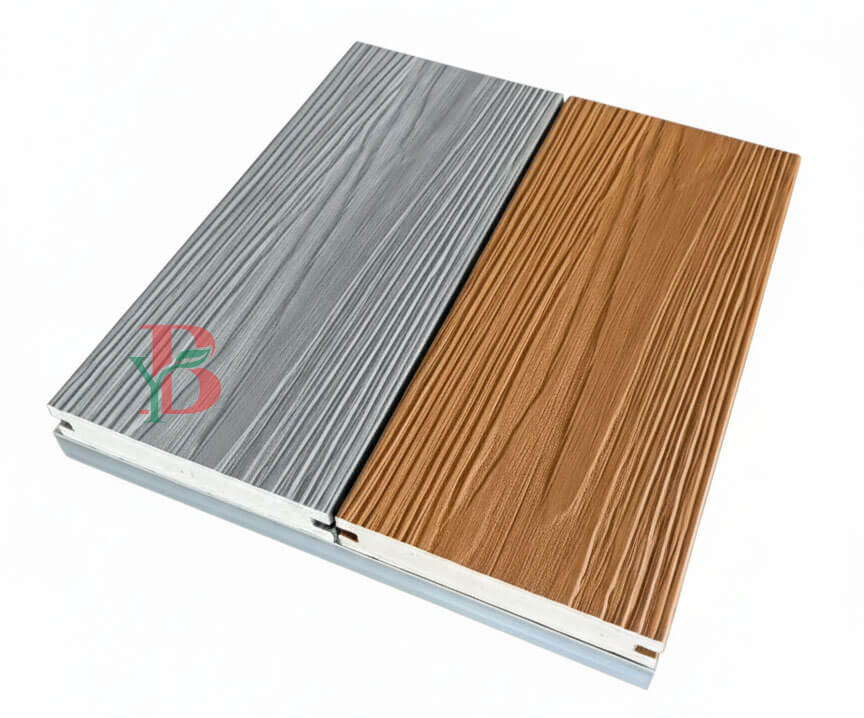
Explore the Bongywood WPC collection for high-performance 3D-Embossed and Capped decking solutions that combine beauty with longevity.