
Composite vs vinyl fence is a common comparison for homeowners, contractors, distributors, and project buyers looking for a durable, low-maintenance alternative to traditional wood fencing. Both materials offer low maintenance and good outdoor performance, but they differ in cost, appearance, durability, weather resistance, installation, and long-term value. In this guide, we compare composite fencing vs vinyl fencing to help you decide which option is better for your project.
What Is Composite Fencing?
Composite fencing, also called WPC fencing or wood-plastic composite fencing, is manufactured from a combination of wood fibers, polymers and performance additives.
Modern capped composite fence panels include an additional protective outer layer. This co-extruded cap helps improve resistance to moisture, staining, fading and normal outdoor weather exposure.
Unlike traditional timber fencing, composite fence panels do not need routine painting, staining or sealing. Embossed surfaces can also reproduce the grain and color variation of natural wood.
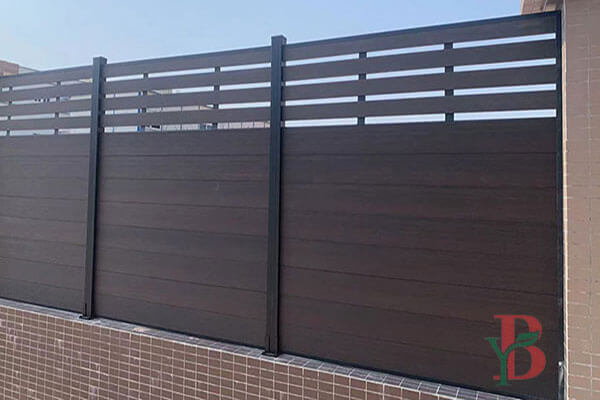
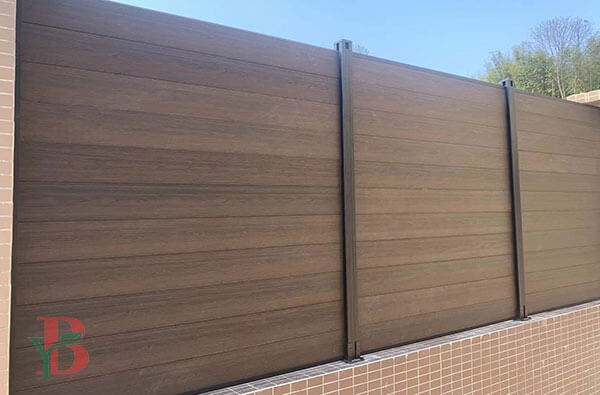
Capped WPC composite fencing combines a wood-plastic composite core with a protective co-extruded surface.
Traditional Composite vs Capped Composite
Traditional uncapped composite uses a wood-plastic composite material throughout the board. Capped composite adds an outer protective layer designed to improve surface durability, stain resistance and color stability.
What Is Vinyl Fencing?
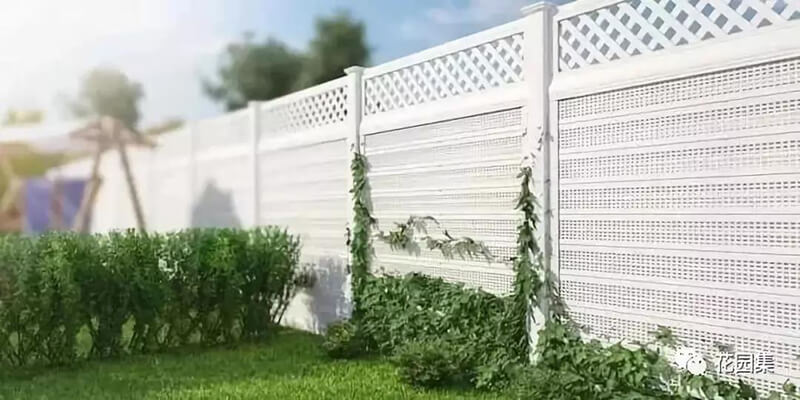
Vinyl fencing is typically manufactured from PVC (polyvinyl chloride). It is widely used for residential privacy fences, garden boundaries and other applications where buyers want a lightweight, easy-to-clean fencing material.
Vinyl does not rot like untreated timber and does not require painting or staining. Most vinyl fencing has a smooth, consistent appearance, with white and other light colors being common.
Performance varies between products and formulations. Temperature changes, long-term UV exposure, panel quality and installation conditions can all affect how a vinyl fence performs over time.
Composite vs Vinyl Fence: Quick Comparison
The table below compares capped composite fencing with vinyl fencing across the factors most buyers consider before choosing an outdoor fence.
| Factor | Capped Composite Fence | Vinyl Fence |
|---|---|---|
| Material | Wood-plastic composite core with protective cap | PVC-based material |
| Initial Cost | Usually higher | Usually lower |
| Maintenance | Low; no routine painting or staining | Low; generally easy to wash |
| Appearance | Wood grain, deeper colors and natural-looking textures | Smooth, uniform appearance |
| Moisture Resistance | Designed for outdoor moisture exposure | Does not absorb water like natural wood |
| UV / Weather Performance | Protective cap improves outdoor surface performance | Depends strongly on PVC formulation and product quality |
| Weight | Generally heavier | Generally lighter |
| Design Options | Multiple wood textures, colors and decorative layouts | Good for simple and uniform fence designs |
| Best Use | Premium residential, privacy and commercial landscape projects | Budget-focused and standard residential fencing |
Composite vs Vinyl Fence Cost and Long-Term Value
When comparing composite vs vinyl fence cost, vinyl usually has an advantage in initial purchase price. Standard PVC fence systems are often selected for projects where upfront budget is the main consideration.
Capped composite fencing normally requires a higher initial investment because the material combines a composite core, protective cap, textured surface and, in many systems, reinforced posts and rails.
However, initial material price is only one part of total fencing cost. Buyers should also consider installation, maintenance, repainting or staining requirements, repairs, replacement frequency and desired appearance.
Which Fence Offers Better Long-Term Value?
Vinyl can offer excellent value for straightforward residential projects with a limited initial budget. Composite can offer stronger value for buyers who prioritize natural aesthetics, design flexibility and a premium low-maintenance finish over the long term.
Durability and Lifespan: Composite vs Vinyl Fence
Capped Composite Fencing
Capped composite fencing is designed for long-term outdoor use. The protective surface helps shield the composite core from moisture, stains and environmental exposure, while the wood-plastic core provides a solid panel structure.
Composite does not rot in the same way as untreated wood and is not a food source for wood-destroying insects. High-quality capped products are therefore well suited to outdoor privacy and landscaping applications.
Vinyl Fencing
Vinyl is also resistant to rot and insects and can provide years of low-maintenance service. Its performance depends on PVC formulation, wall thickness, reinforcement, installation quality and local climate.
In regions with large temperature changes or strong sun exposure, material expansion, contraction and long-term surface aging should be considered when comparing products.
Composite Fencing vs Vinyl Fencing: Which Fence Lasts Longer?
Durability is one of the most important factors in any composite vs vinyl fence comparison. Both materials resist many of the problems associated with traditional timber, but their structure, surface protection and response to outdoor conditions are different.
Built for Long-Term Outdoor Use
Capped composite fencing is designed to resist moisture, rot, insects, UV exposure, and general outdoor weathering. The protective cap layer helps maintain color stability and surface performance over time.
Durable but More Climate-Sensitive
Vinyl fencing does not rot and is easy to clean, but it may become brittle, crack, or discolor after long-term exposure to strong sunlight, temperature changes, or harsh weather.
Bottom line: both materials can be durable when properly manufactured and installed. For buyers prioritizing premium wood-look appearance together with a protective exterior layer, capped composite fencing has a strong advantage.
Which Fence Requires Less Maintenance?
Maintenance is another key factor in the composite vs vinyl fence comparison. Both vinyl and composite fencing are considered low-maintenance fence materials.
Neither material requires the frequent sanding, staining and refinishing commonly associated with natural timber fencing.
Composite Fence Maintenance
- No routine painting required
- No regular staining required
- No routine sealing required
- Clean with mild soap and water when needed
- Inspect posts, rails and connections periodically
Vinyl Fence Maintenance
- No painting required for most products
- Wash dirt and surface marks as needed
- Check posts and connections periodically
- Inspect panels after severe weather
- Follow the manufacturer's cleaning instructions
Appearance: Natural Wood Look vs Smooth PVC Look
Appearance is one of the clearest differences when comparing vinyl vs composite fencing.
If your priority is reproducing the warmth and texture of timber, composite fencing generally provides the more natural visual result.
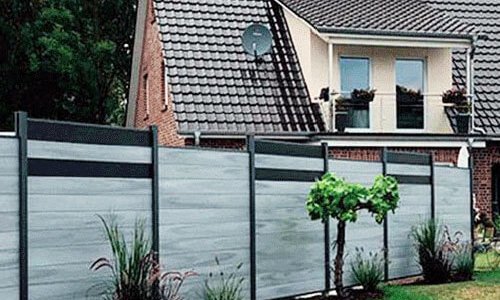
Composite fence boards can be manufactured with embossed wood grain, layered colors and deeper textures. This allows the fence to complement contemporary architecture, villas, gardens, resorts and premium landscape projects.
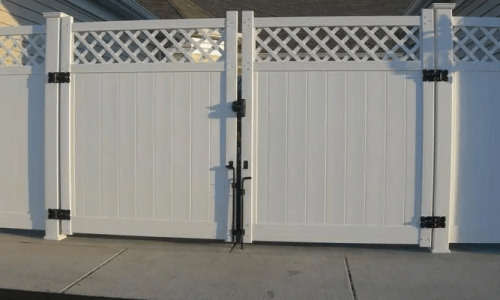
Vinyl fencing is often selected for its neat, clean and uniform appearance. It is especially common where a simple white or light-colored privacy fence suits the architecture.
Composite vs Vinyl Fence: Which One Should You Choose?
Choose Capped Composite Fencing If You Need:
- A natural wood-like appearance
- Better resistance to UV, moisture, and weathering
- Low maintenance without painting or staining
- A premium privacy fence for villas, gardens, resorts, or commercial landscapes
- An eco-friendly alternative made with recycled materials
Choose Vinyl Fencing If You Need:
- A lower initial budget
- A simple white or light-colored fence
- Basic residential boundary fencing
- A smooth plastic appearance
- Easy cleaning for standard home use
The best choice in the composite vs vinyl fence comparison depends on your budget, design requirements, climate, and long-term priorities. Vinyl is a practical option for buyers focused on lower upfront cost and simple residential fencing, while capped composite fencing is better suited to projects that prioritize realistic wood appearance, design flexibility, and premium outdoor performance.
Composite Fencing for Contractors, Distributors and Project Buyers
For wholesalers, distributors, contractors, builders and landscape project buyers, fencing selection also involves supply stability, product consistency, packaging, installation systems and customization—not only the appearance of an individual panel.
Bongywood capped WPC fencing systems are available for residential gardens, villas, pool areas, privacy fencing and commercial landscape applications.
Protective Capped Surface
Co-extruded surface designed to improve resistance to UV exposure, moisture, stains and outdoor weathering.
Wood-Look Design
Embossed textures and multiple outdoor colors provide a more natural architectural appearance.
B2B Supply Support
Suitable for wholesale orders, distributors, contractors, OEM/ODM requirements and project sourcing.
Example Composite Privacy Fence Kit Specifications
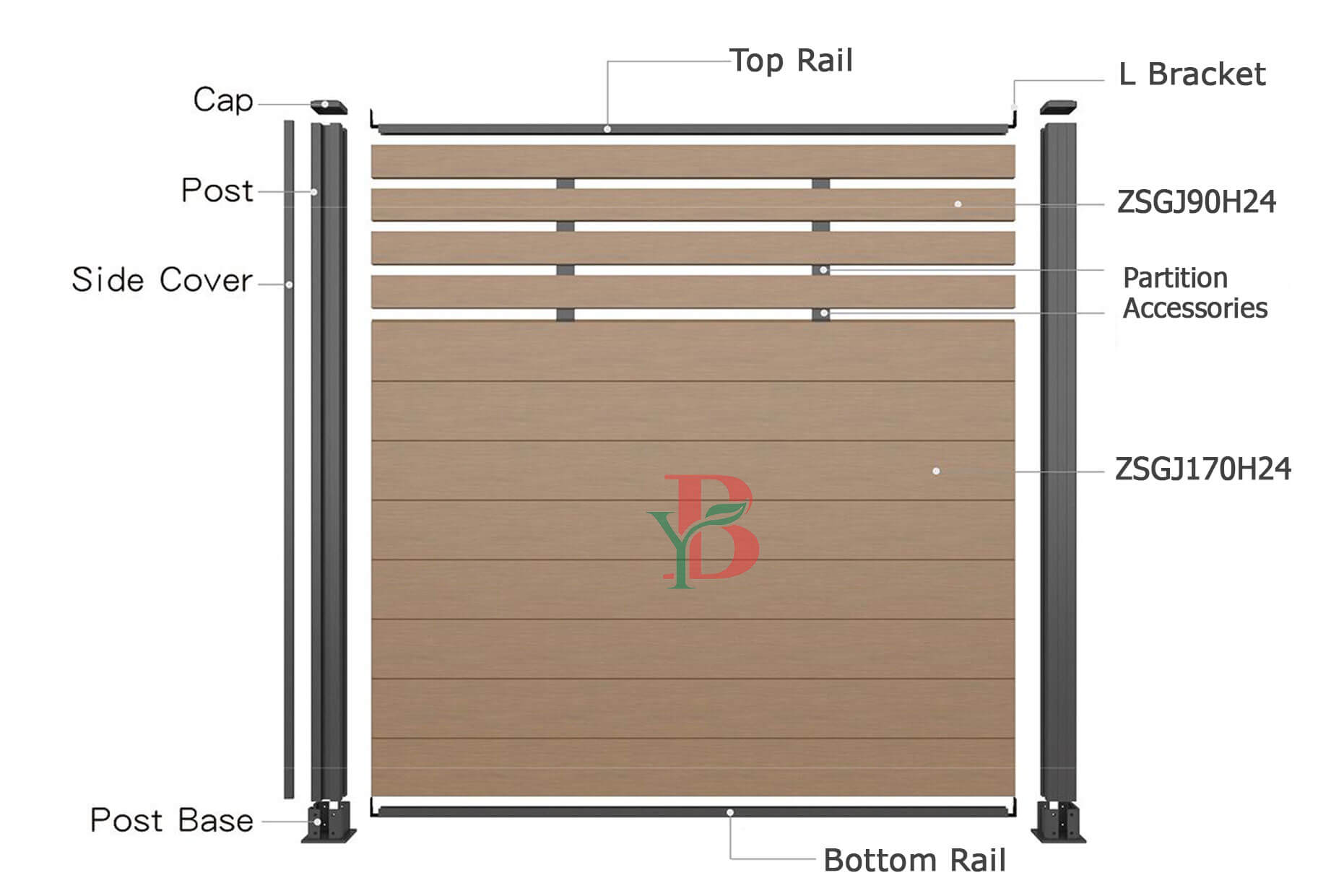


| Overall Size | 1800 mm (L) × 1850 mm (H) |
|---|---|
| Board Size | 170 mm (W) × 24 mm (T) × 1800 mm (L) |
| Post Size | 80 mm × 80 mm × 1850 mm aluminum post |
| Surface | Co-extruded capped surface for outdoor weather resistance |
| Applications | Gardens, yards, pool areas, villas, privacy fencing and commercial landscape projects |
Typical Kit Components
- 11 composite fence boards
- 1 aluminum post
- 1 bolt-down post support
- 2 aluminum cover rails
- 1 side cover
- 1 post cap
View our complete WPC fence panel systems for available styles, specifications and project options.
Looking for a Durable Alternative to Vinyl Fencing?
Tell us your project size, market and design requirements. We can provide WPC fence samples, product specifications, wholesale pricing and project recommendations.
FAQs About Composite vs Vinyl Fencing
Which lasts longer: composite or vinyl fencing?
Both materials can provide long-term outdoor service when high-quality products are installed correctly. Capped composite fencing adds a protective exterior layer that improves resistance to moisture, staining, UV exposure and general weathering. Vinyl lifespan depends heavily on PVC formulation, reinforcement, climate and installation quality.
Is composite fencing more expensive than vinyl fencing?
Yes. Composite fencing usually has a higher upfront cost than vinyl fencing. However, capped composite fencing can provide better long-term value because it requires little maintenance and offers a more premium wood-like appearance.
Is composite fencing stronger than vinyl fencing?
Structural performance depends on the specific fence system rather than material name alone. Panel profile, wall thickness, post material, reinforcement, post spacing and installation method all affect strength. Composite systems with reinforced aluminum posts and rails can provide a strong solution for privacy and landscape fencing.
Does composite fencing fade in the sun?
All outdoor materials can experience some appearance change after prolonged weather exposure. Capped composite fencing uses a protective exterior layer designed to improve UV resistance and color stability compared with traditional uncapped composite.
Which fence looks more like real wood?
Composite fencing generally offers the more realistic wood appearance because manufacturers can create embossed grain patterns, deeper textures and multi-tone colors. Vinyl fencing typically provides a smoother and more uniform surface.
Which fence is better for hot climates?
Product quality is especially important in hot, high-UV climates. Capped composite fencing uses an exterior protective layer designed for outdoor UV and weather exposure. For vinyl fencing, check the manufacturer’s UV stabilization, temperature performance and installation requirements.
Which fence is better for cold climates?
Both materials can be used in cold climates when the product is designed and installed correctly. Follow manufacturer guidelines for expansion allowances, post spacing, foundations and fastening because temperature changes can affect outdoor fencing materials.
Is composite fencing good for coastal areas?
Composite panels are suitable for many humid and coastal applications because they do not rot like untreated timber. In salt-air environments, also evaluate the corrosion resistance of posts, fasteners, brackets and other metal components in the complete fence system.
Is WPC fencing better than PVC fencing?
WPC fencing is usually the better fit when buyers want wood-like texture, richer color options and a premium architectural appearance. PVC fencing can be the better choice when lightweight construction, simple styling and lower initial cost are the priorities.
Is composite fencing worth the extra cost?
It can be worthwhile for projects where appearance, low maintenance, customization and long-term outdoor performance matter more than the lowest initial purchase price. For simple budget-focused residential fencing, vinyl may still be the more economical choice.
Can composite or vinyl fencing be recycled?
Recycling depends on the exact material formulation and the facilities available in the local market. Some composite products contain recycled wood and polymer material, while recycling programs for PVC and composite products vary by region.
Get a Free Composite Fence Quote
Looking for composite privacy fencing for wholesale, distribution or an outdoor project? Send us your required dimensions, quantity, color and destination market for a product recommendation and quotation.
Contact Bonywood