
Composite decking is a great low-maintenance alternative to wood, with years of improving, there are so many quality composite decking materials available in the market, you may lose your patience to choose the right one when you plan to build your own composite deck. This comprehensive WPC decking guide is designed to simplify your composite decking selection process, ensuring you choose a product that balances aesthetics, budget, and long-term durability.
1.Budgeting for Success in Composite Decking Selection
When starting your project, understanding the price drivers is the first step in composite decking selection. Costs are typically influenced by:
-
Material Technology: Choosing between Classical WPC (economical) and Capped WPC (premium protection).
-
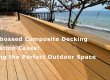
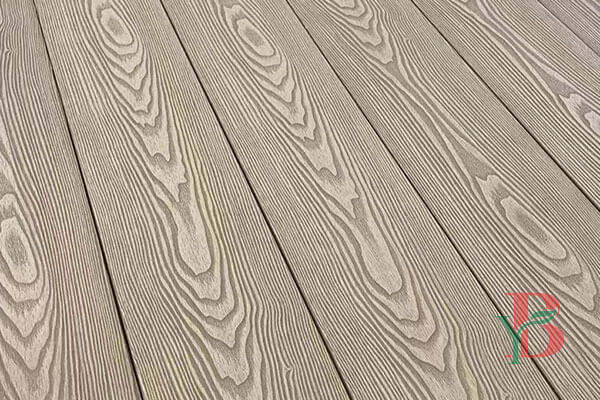
Surface Complexity: High-fidelity wood grains like 3D Embossed WPC may impact the initial investment.
-
Structural Design: Variations in hollow vs. solid profiles and plastic-to-wood percentages.
Expert Insight: While Capped (Co-extrusion) WPC has a higher upfront cost, its superior resistance to moisture, staining, and fading often results in a lower “total cost of ownership” over time.
2.Aesthetics: Matching Color and Design to Your Vision
A vital part of any WPC decking guide is achieving the right look. Modern composite technology now offers:
-
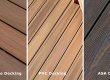
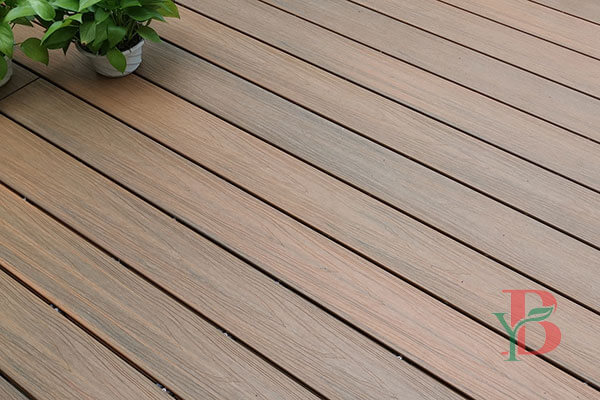
Natural Timber Aesthetics: Advanced grain patterns that replicate the warmth of real wood without the maintenance.
- Eco-Friendly Palette: A wide variety of colors that remain vibrant for years, serving as a sustainable alternative to traditional timber.


3.Technical Selection: Installation and Fastener Systems
Your composite decking selection should also consider the “cleanliness” of the finished surface.
-
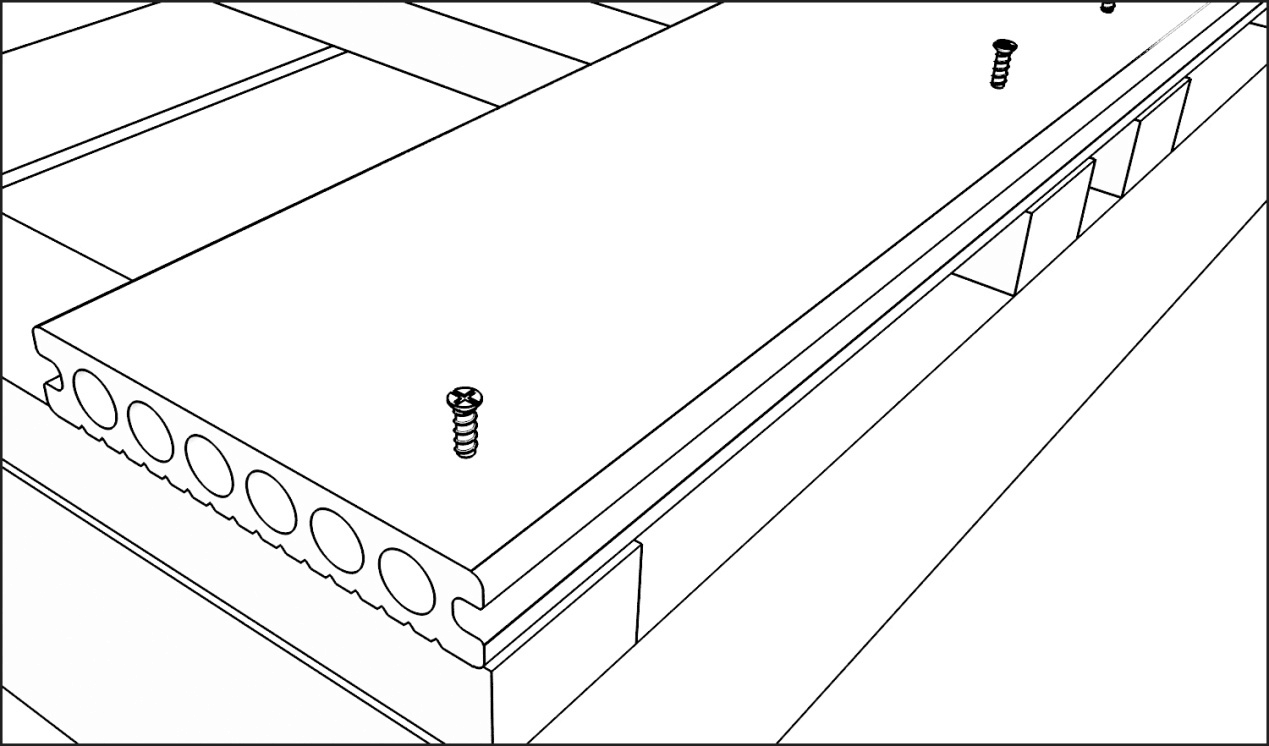
Ungrooved Boards: Installed with face screws (exposed fasteners), offering a traditional look.
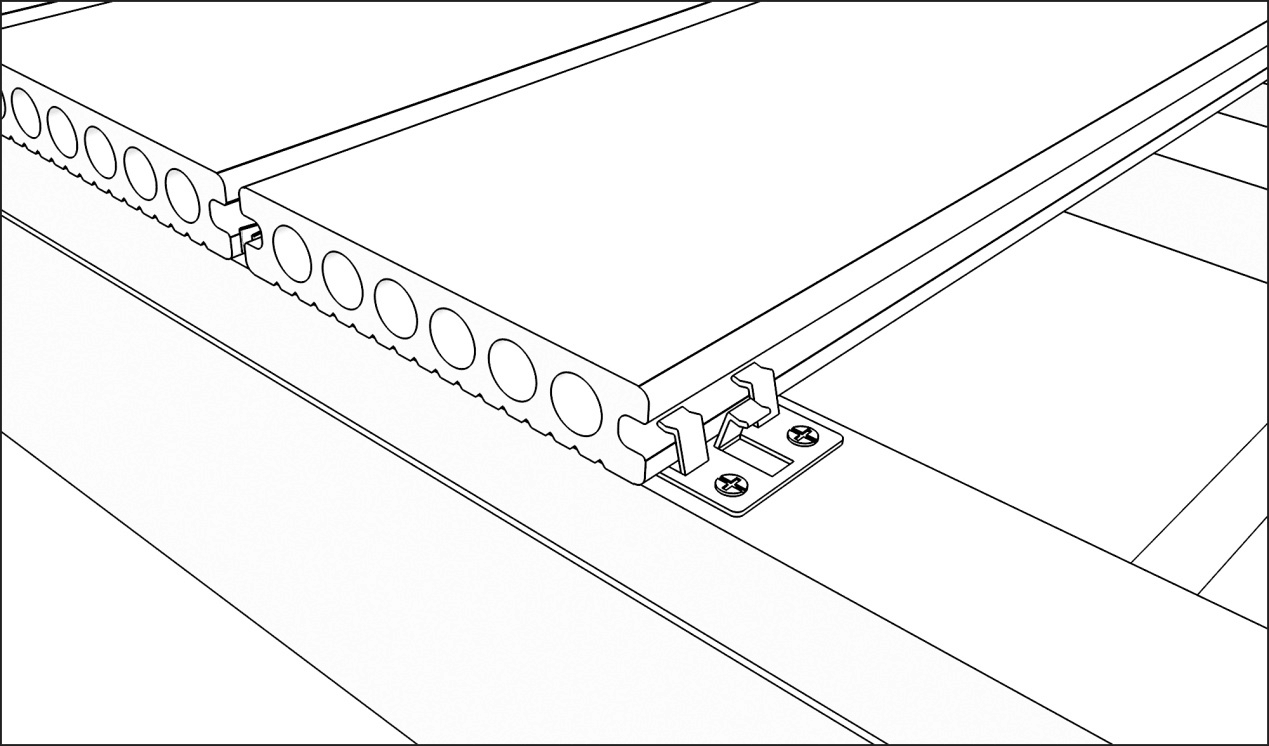
- Grooved Boards: Designed for hidden fasteners (clips) to create a seamless, screw-free surface.
- Cost Factor: Note that hidden fastener systems can increase the accessory budget by 20-30%.
4. Performance in Specific Environments
A professional WPC decking guide must address environmental safety:
-
Slip Resistance for Wet Areas: If your deck is near a swimming pool, always select a textured, sanded, or brushed surface to increase friction and prevent slips.
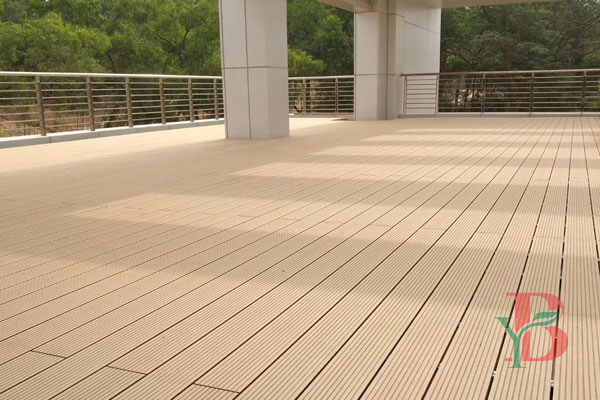
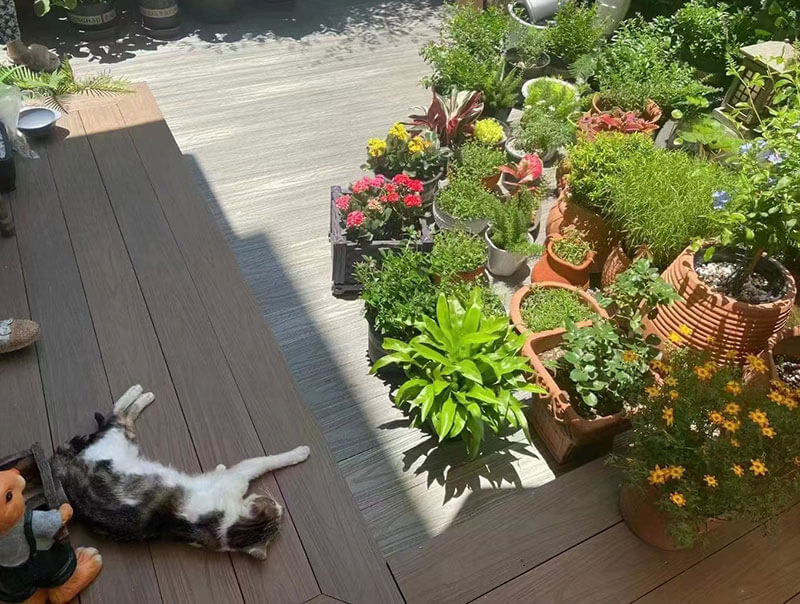
- Heat Management: In hot climates, composite decking selection favors lighter colors. Darker, solid boards absorb more heat and may become uncomfortable for barefoot use in direct sun.

5. Accounting for “The Extras” in Your Project
Don’t overlook the secondary components that complete your deck. Ensure your budget includes:
-
Fasteners: Screws or hidden clips.
-
Finishing Touches: Edge covers, skirt boards, and railings.
- Planning: Researching these installation requirements early ensures a realistic final budget.
Frequently Asked Questions: WPC Decking Selection & Care
How do I choose the right color for my composite deck?
When making your composite decking selection, consider both your home’s exterior style and your local climate. Bongywood WPC offers a variety of natural wood-look colors. For sunny areas, we recommend choosing lighter colors, as dark boards tend to absorb more heat and can become hot underfoot during summer.
Is composite decking safe to use around swimming pools?
Yes, it is an excellent choice, but slip resistance is key in your WPC decking guide. If your deck is near a pool or in a wet climate, you should select boards with a textured, sanded, or brushed surface to increase friction and prevent slips.
What is the difference between Capped WPC and Classical WPC?
This is a crucial part of composite decking selection. Classical WPC is a cost-effective, traditional option. Capped (Co-extrusion) WPC features an added protective layer or “cover” that provides superior resistance to moisture, stains, fading, and environmental impact.
Should I use hidden fasteners or face screws for installation?
This depends on your aesthetic preference and budget.
-
Ungrooved boards use face screws (exposed fasteners) for a traditional look.
-
Grooved boards allow for hidden fasteners (clips), creating a clean, seamless surface without visible screws. Note that hidden fastener systems typically increase the accessory cost by 20-30%.
What "extra" costs should I budget for in my decking project?
Beyond the boards themselves, your budget should include:
-
Fastener systems (screws or hidden clips).
-
Finishing components like edge covers or skirt boards.
-
Structural additions such as railings and posts. Proper research into these installation requirements will provide a more realistic final number.
Read more: The Complete Guide to Composite Decking Installation and WPC Railings
Conclusion: Build Your Dream Space with Bongywood
Choosing the right material doesn’t have to be a guessing game. By following this WPC decking guide, you can confidently finalize your composite decking selection and enjoy a beautiful, low-maintenance outdoor living space for years to come.
Ready to Start Your Project?
Bongywood WPC provides professional-grade materials and expert guidance to help you build it right the first time.
[Contact Our Experts for Free Samples & Quotes]