
In recent years, composite decking has gained immense popularity for its durability, low maintenance, and eco-friendliness. More and more homeowners and homebuilders are choosing wood-plastic composite for their outdoor living spaces to ensure a sustainable and aesthetic finish.
However, a common question often arises: Capped vs. Uncapped Composite Decking—which one is the better choice for your project?. This decision is crucial for homebuilders, as it significantly impacts the longevity, fade resistance, and overall satisfaction of the homeowner. In this article, we will delve into the technical details of Capped vs. Uncapped Composite Decking to compare the benefits and drawbacks of each, ensuring you are well-equipped to make an informed decision.
What is the Difference Between Capped Vs. Uncapped Composite Decking?
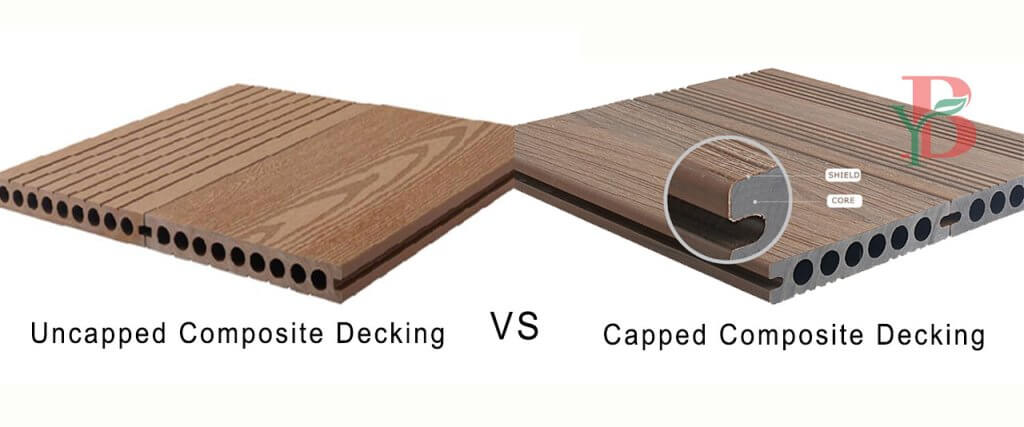
At their core, both materials are made from a blend of recycled wood fibers and plastic polymers. However, the manufacturing process sets them apart:
- Uncapped Composite Decking: This is the “traditional” WPC. The wood-plastic blend is consistent throughout the entire board. Because the organic fibers are exposed to the air, they are more susceptible to the elements.
- Capped Composite Decking: Often called Co-extrusion decking, these boards feature an extra protective “shield” or “cap” made of high-grade polymer. This cap is fused to the core during extrusion, covering three or all four sides of the board.
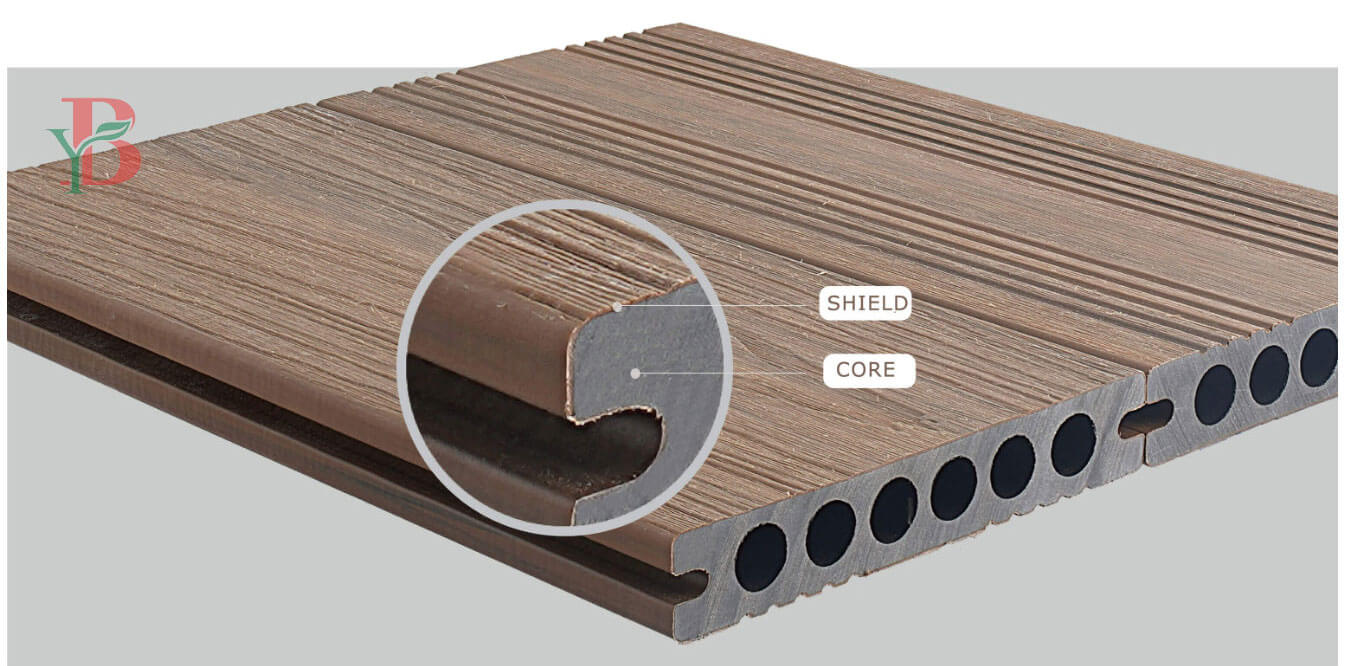
PROTECTIVE SHIELD
Capped composite decking refers to the protective outer layer or cap that is typically made of a high-performance polymer. This cap shields all four sides around its inner WPC core from the elements, making the decking even more resistant to staining, fading, and general wear and tear.
COMPOSITE CORE
The core is from Bongywood wood plastic composite materials, which uses recycled plastic and recycled wood.
Key Comparison:Capped Vs. Uncapped Composite Decking
| Characteristics | Uncapped Composite Decking | Capped Composite Decking |
|---|---|---|
| Durability | ★★ | ★★★ |
| Mold/Mildew Resistance | ★ | ★★★ |
| Stain Resistance | ★ | ★★★ |
| Scratch Resistance | ★ | ★★ |
| Colorfast | ★ | ★★★ |
| Splinter Free | ★★★ | ★★★ |
| Heat Dissipation | ★ | ★ |
Why Choose Capped Composite Decking? (The Premium Choice)
If your project is located in a high-traffic area or a region with harsh weather, capped composite decking is the industry-standard recommendation.
- Ultimate Stain Protection: Spilled wine or BBQ grease? The non-porous cap prevents stains from sinking into the wood fibers.
- Color Longevity: The polymer shield contains UV inhibitors that prevent the “graying” effect common in older decking materials.
- Mold and Mildew Resistance: Since the core is sealed, moisture cannot penetrate, virtually eliminating internal rot and surface mold.
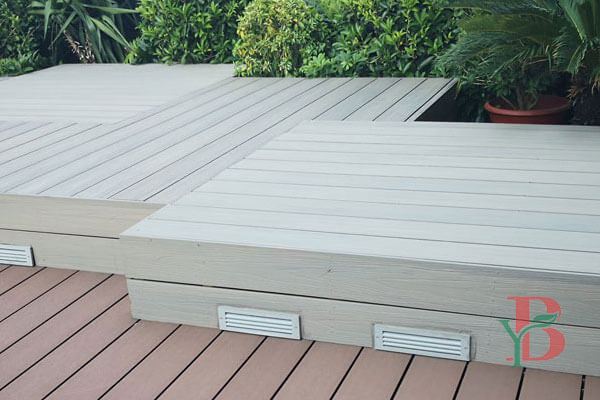
When to Choose Uncapped Composite Decking? (The Budget-Friendly Choice)
Despite the rise of capped technology, uncapped composite decking remains a popular choice for specific scenarios:
- Budget-Conscious Projects: It offers a significantly lower upfront cost than co-extrusion products.
- Natural Texture: Some users prefer the slightly more “organic” and matte feel of uncapped boards as they weather naturally.
- Low-Moisture Environments: In dry climates with minimal foot traffic, uncapped decking can perform reliably for years.
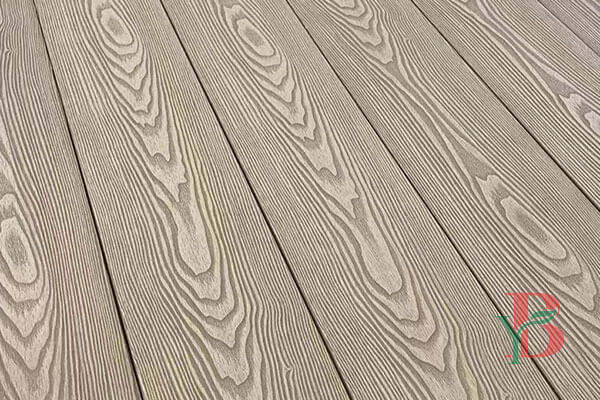
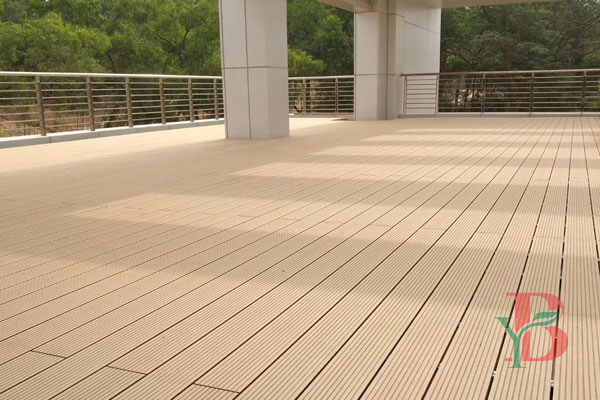
FAQs About Capped vs. Uncapped Composite Decking
Is capped composite decking worth the extra cost?
Yes. While the initial investment is higher, you save money over time by avoiding sealing treatments and benefiting from a much longer replacement cycle.
Does capped decking get hotter than uncapped?
Heat absorption depends more on the color of the board than the cap. Darker colors in both categories will retain more heat than lighter shades.
Can you install them together?
It is not recommended due to the different expansion/contraction rates and the visible difference in texture and fading.
Final Verdict: Which Should You Buy?
- Choose Capped if you want a “set it and forget it” deck with maximum warranty protection and vibrant colors.
- Choose Uncapped if you need a budget-friendly decking option for large-scale projects or entry-level applications where basic durability and low initial investment are key.
Ready to start your project? As a professional manufacturer, Bongywood specializes in high-performance co-extrusion technology.
[Browse our Capped Composite Decking Collection] or [Request a Free Sample Pack] today to feel the difference yourself.