
Creating an inviting outdoor space is a simple yet transformative project. By incorporating a composite decking pathway, you not only enhance the visual appeal of your garden, but also enjoy the practical benefits of a durable and low maintenance decking.
Whether you are looking for a WPC walkway for a commercial project or a charming garden path for your backyard, this guide explores the best styles and design tips using premium Bongywood materials.
Why Choose Composite Decking for Your Composite Decking Pathway?
Traditional wood paths often rot, splinter, or become slippery over time. Wood Plastic Composite (WPC) solves these issues.
Durability and Weather Resistance
- Engineered to withstand harsh weather conditions
- Resistant to rot, insects, and general wear
- Maintains structural integrity for decades
- No warping or splintering over time
Low Maintenance Requirements
- No need for regular staining or sealing
- Simple cleaning maintains appearance
- Resistant to fading and staining
- Year-round durability with minimal upkeep
Versatile Design Options
- Wide range of colors and textures available
- Wood-like appearance without wood-related problems
- Customizable patterns and layouts
- Seamless integration with existing landscaping
Eco-Friendly Choice
- Made from recycled materials
- Sustainable alternative to traditional wood
- Longer lifespan reduces replacement frequency
- Lower environmental impact over time
Popular Composite Decking Pathway Styles
1.Classic Garden Path (Rustic & Natural)
A classic garden path made from composite decking can create a charming and rustic feel. The warm tones and natural texture of composite decking mimic the look of traditional wood, perfect for blending into a garden setting.
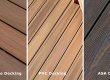
- Top Choice: Use Bongywood 3D Embossed WPC Decking. It features a deep, high-definition wood grain texture that mimics natural oak or walnut.
- Design Tip: Line the edges with natural river stones or lavender bushes to create a soft, organic feel that blends into your landscape.


2.Modern Minimalist Walkway (Sleek & Dark)
For a more contemporary look, use sleek, dark-colored composite boards with a smooth finish. Choose colors like charcoal, black, or dark grey to create a striking contrast. Pair your modern composite walkways with minimalist landscaping. This can create a striking contrast that makes your outdoor space pop.
- Top Choice: Opt for Capped Composite Decking in Charcoal or Dark Grey. The smooth, consistent finish creates a high-end, urban look.
- Design Tip: Use geometric patterns or straight, wide boards to emphasize the length of the walkway.


3.Slip-Resistant Poolside Pathway
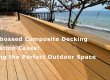
Create a luxurious poolside pathway using water-resistant capped composite decking materials. This not only adds an element of safety by providing a non-slip surface but also contributes to the overall aesthetic appeal of your pool area.
- Top Choice: Our Capped WPC series is specifically designed with moisture-resistant technology and a non-slip surface.
- Design Tip: Choose lighter colors like Teak or Light Grey. These shades reflect heat, keeping the path cool for bare feet even in mid-summer.


4.Elevated Composite Walkways for Sloped Landscapes
An elevated walkway is a fantastic way to add visual interest and a touch of elegance to any landscape. With Bongywood Adamas H series composite decking, you can build a durable and stylish walkway that will last for years to come.
- Top Choice: Use the Bongywood Adamas H series. Its durability and strength ensure it can handle the weight of the walkway and heave foot traffic.
- Installation Tip: Use screws to install the Bongywood Adamas H series composite decking to the substructure. This ensures a strong and stable connection.
- Design Tip: Incorporate built-in LED step lights for a safe and magical atmosphere at night.


How to Design Visually Stunning Composite Decking Pathways
- Incorporate Curves
Instead of straight liner path, incorporate curves into the design of your composite walkway. Curved pathways add visual interest and guide visitors through your landscape. Curved composite walkways can follow the shape of flower beds or other landscaping elements for an organic, flowing look.


Use Contrasting Colors
Combine different shades of composite decking boards to create a two-toned effect, defining separate areas or highlighting focal points along the walkway. A contrasting border or inlaid pattern using a complementary color can make the pathway stand out.
-
Create Destination Points
Incorporate a detached composite deck or gazebo as a destination point along the walkway. This provides an inviting outdoor living space that the path leads visitors towards.

Frequently Asked Questions (FAQ)
Is the color of the pathway guaranteed to last?
Our Capped Composite Decking features an extra protective layer that provides elite resistance to fading and staining. While all outdoor materials experience very minor weathering, our WPC is designed to maintain its rich color for decades.
Does a composite decking pathway get hot in the sun?
Like all outdoor materials, composite decking can absorb heat. However, our lighter shades (such as Light Grey or Teak) stay significantly cooler than darker colors. For sunny, open garden paths, we recommend choosing lighter tones to ensure the walkway remains comfortable for bare feet and pets.
Can I use composite decking for a curved pathway?
Yes! While the boards themselves are rigid, you can create the illusion of a curve by cutting the boards at angles (miter cuts) or using a “stair-step” design. This allows the pathway to flow naturally around garden beds and trees.
Can I install a composite path directly on the ground?
We recommend a proper sub-frame or joist system to ensure airflow and drainage. This prevents moisture buildup and ensures the longevity of your investment.
Can I install a composite decking pathway over an existing concrete walk?
Yes, you can. This is often called a “sleeper system.” You must first install low-profile joists (sleepers) over the concrete to allow for proper water drainage and airflow before laying the composite boards on top.
How do you clean and maintain a composite decking pathway?
Maintenance is incredibly simple. Unlike wood, you never need to sand, oil, or seal it. For regular cleaning, just use soap, water, and a soft brush to remove dirt or debris. For a deeper clean, a standard pressure washer (under 1500 PSI) can be used to keep the wood grain looking sharp.
Is Bongywood composite decking eco-friendly?
Absolutely. Our WPC products are made from recycled wood fibers and reclaimed plastics. By choosing a composite pathway, you are reducing deforestation and keeping plastic waste out of landfills, making it a sustainable choice for your landscaping.
Conclusion
Choosing a composite decking pathway can significantly enhance the beauty and functionality of your outdoor space. Its durability, low maintenance, and aesthetic versatility make it an excellent choice for any homeowner.
Ready to Transform Your Outdoor Space?
Whether you are a homeowner looking for a DIY project or a distributor seeking the best wholesale WPC products, Bongywood is here to help. Our composite materials offer the perfect blend of beauty and performance.